Why Cheap Antivirus Isn't Enough in 2025
Listen to this article
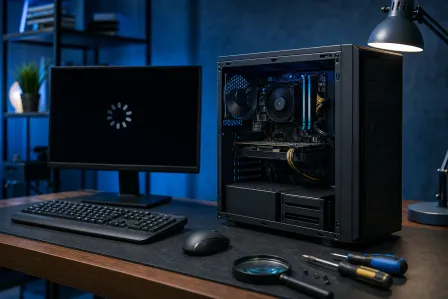
A gaming PC represents a significant investment designed to deliver experiences that console and casual computing cannot match. High-end graphics cards, powerful processors, fast storage, and sophisticated cooling systems work together to run demanding games at their best. But like any high-performance machine, a gaming PC requires maintenance to continue performing at its best. Neglect leads to degraded performance, higher temperatures, system instability, and eventually component failure.
Gaming PCs face particular maintenance challenges. The powerful components generate substantial heat, requiring effective cooling that dust accumulation can compromise. The constant demand for peak performance stresses components in ways that casual computing does not. And the investment in expensive graphics cards and processors makes protecting these components worthwhile. Understanding what maintenance your gaming rig needs and how to perform it keeps your system running games the way they are meant to be played.
Thermal Management and Cleaning
Heat is the enemy of electronics. Every component in your gaming PC generates heat, and the most powerful components generate considerable amounts. Graphics cards and CPUs in particular can produce hundreds of watts of heat that must be moved away from the chips and out of the case. When this process is compromised, temperatures rise, performance drops, and component lifespan shortens.
Dust is the primary threat to cooling efficiency. It accumulates on heatsinks, fans, and filters, insulating components and restricting airflow. A heatsink clogged with dust cannot transfer heat effectively. A fan coated with dust moves less air. According to Intel's PC cleaning guide, regular cleaning is essential for maintaining performance and extending component life.
Regular cleaning should become routine for any gaming PC owner. The frequency depends on your environment: homes with pets, smokers, or generally dusty conditions require more frequent cleaning. Every three to six months is a reasonable schedule for most users, with visual inspection between cleanings to catch unusual dust accumulation.
Essential Gaming PC Maintenance Steps
Step 1: Clean Internal Components
Power down your PC and unplug it. Open the case and use compressed air to blow dust from fans, heatsinks, and filters. Work from the inside out to push dust out of the case. Hold fans still while blowing to prevent them from spinning faster than designed, which can damage bearings.
Step 2: Monitor Temperatures
Install temperature monitoring software like HWiNFO, MSI Afterburner, or your motherboard's utility. Watch temperatures during gaming sessions. If CPU or GPU temperatures are consistently higher than before, cleaning may be needed. Unexpected temperature spikes suggest cooling problems developing.
Step 3: Update Graphics Drivers
Graphics card manufacturers regularly release driver updates that improve performance and fix compatibility issues with new games. Use NVIDIA GeForce Experience or AMD Radeon Software to keep drivers current. Major game releases often receive specific driver optimizations.
Step 4: Manage Storage Space
SSDs perform best with adequate free space, typically at least 10-15% of total capacity. When drives become too full, performance suffers. Uninstall games you are not playing, move infrequently accessed files to slower storage, and manage game library size to maintain SSD performance.
Step 5: Check Cable Management and Connections
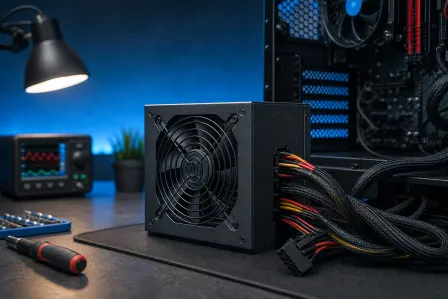
Ensure cables are routed to allow good airflow and are securely connected. Vibration and thermal cycling can loosen connections over time. Check power cables to graphics cards and other components periodically. Poor cable management restricts airflow and raises temperatures.
Software Maintenance
Hardware maintenance keeps components in good physical condition, but software maintenance is equally important for gaming performance.
Operating system updates should be installed regularly. While gamers sometimes delay updates to avoid compatibility issues, running too far behind leaves systems vulnerable to security issues and can cause problems with newer games. A reasonable approach is waiting a few weeks after major updates to let early problems be discovered and fixed, then updating.
Game client optimization varies by platform. Steam, Epic Games, and other launchers have settings that affect background activity and disk usage. Configure these to balance convenience with system resources. Disable features you do not use to reduce overhead.
Background processes consume resources that could go to your games. Review what runs at startup and disable unnecessary applications. Streaming software, monitoring tools, and communication apps are legitimate uses of resources; forgotten software running needlessly is not.
Upgrading vs. Maintaining
Maintenance extends the life of your current components, but eventually upgrades become necessary or desirable. Understanding when maintenance reaches its limits helps with upgrade planning.
Performance that declines despite maintenance suggests aging components reaching their limits. A graphics card that once ran games beautifully may struggle with newer titles despite being clean and properly cooled. This is natural progression, not a maintenance failure.
Game requirements increase over time. What was a high-end system several years ago may now be mid-range or entry-level. When the games you want to play demand more than your system can deliver even when properly maintained, upgrade time has arrived.
Component upgrades can extend system life significantly. Adding RAM, upgrading storage to faster SSDs, or installing a new graphics card can provide years of additional useful life without complete system replacement. Our hardware upgrade service can help with component selection and installation.
When to Seek Professional Help
Some gaming PC maintenance tasks exceed what most users should attempt themselves.
Graphics card thermal paste replacement can dramatically improve GPU temperatures on older cards, but the process requires disassembling the cooler, a task where mistakes can damage expensive components. Unless you have experience, professional service is safer.
Water cooling system maintenance, particularly custom loops, requires specific knowledge. Adding or changing coolant, checking for leaks, and maintaining pumps and radiators involves risks that can result in component damage if done incorrectly.
Diagnosing complex performance issues may require expertise beyond casual troubleshooting. When games crash, systems are unstable, or performance is inconsistent, identifying the root cause among many possible components can be challenging. Professional diagnosis can save time and prevent incorrect component replacements.
Frequently Asked Questions
How often should I clean my gaming PC?
Every three to six months for typical environments. More frequently if you have pets, smoke nearby, or your environment is generally dusty. Visual inspection between cleanings helps catch unusual accumulation.
What temperature is too hot for gaming?
Most GPUs begin throttling performance between 85-90°C. CPUs vary by model but generally should stay below 80-85°C during sustained gaming loads. Temperatures significantly above these suggest cooling problems that need attention.
How long do gaming PCs last?
With proper maintenance, five to seven years before major upgrades are typically needed. Individual components like graphics cards may be upgraded sooner to maintain performance with newer games, but well-maintained platforms can remain viable for many years.
Should I leave my gaming PC on or turn it off?
Either approach is acceptable for modern systems. Leaving it on provides instant availability but uses power continuously. Turning it off saves power and may reduce component wear. Sleep mode offers a middle ground with quick wake times and reduced power use.
Need Gaming PC Service?
From deep cleaning to component upgrades, we help gaming PCs perform their best. Get your rig running optimally.
Get Gaming PC HelpFor professional gaming PC service in West Palm Beach and throughout Palm Beach County including Boca Raton, Jupiter, and Palm Beach Gardens, Fix My PC Store helps gamers maintain and upgrade their systems. We offer hardware repair and upgrades and system optimization services.