Why Your PC Slows Down After Windows Updates (Fix It)
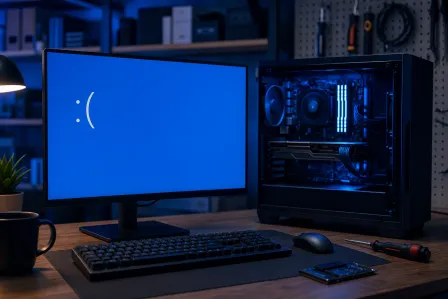
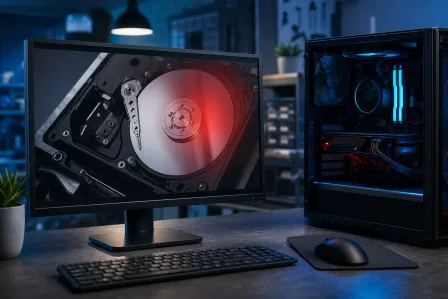
TL;DR: Windows updates can leave background processes running, reset power settings, reinstall bloated drivers, or trigger a slow reindexing job that eats your CPU. Most of the time you can fix this yourself in under an hour by letting the post-update tasks finish, checking your startup programs, and updating drivers the right way. If it's still crawling after that, something deeper (failing drive, malware, or a hardware issue) is probably at play.\n\nHey, I get this question all the time: "I let Windows update overnight and now my computer feels like it's stuck in molasses. What happened?" Great question, and the good news is there's almost always a logical reason. Let's walk through it together, step by step, no stress.\n\n## What you need\n\nBefore we start, grab these. You've got this.\n\n- Your PC plugged into power (not running on battery, this matters for updates)\n- About 30 to 60 minutes of uninterrupted time\n- Admin access to your Windows account (you probably already have this if it's your own PC)\n- A stable internet connection\n- Optional but helpful: a USB drive if you want to back up anything important first\n\nThat's it. Nothing fancy. Let's dig in.\n\n## Step 1: Let the update actually finish working in the background\n\nHere's something a lot of people don't realize, and it's totally understandable why. When Windows says "update complete," it's not always fully done. Windows often keeps optimizing files, finishing driver installs, and running maintenance tasks for a good while after the visible install finishes.\n\nThis is the number one reason your PC feels slow right after an update. It's not broken, it's just busy.\n\nWhat to do: Leave your computer plugged in and mostly idle for 20 to 30 minutes after an update. Open Task Manager (press Ctrl+Shift+Esc) and glance at the CPU and Disk columns. If you see something like "Windows Modules Installer Worker" or "Antimalware Service Executable" chewing up resources, that's normal cleanup work. Let it run its course.\n\nDoesn't that feel better already, knowing it's not a mystery?\n\n## Step 2: Check for a runaway search indexing job\n\nAfter big updates, Windows sometimes decides it needs to rebuild its search index from scratch. This process, called Windows Search, scans your files so your Start menu search works fast. Normally it's quiet. Right after an update, it can spike your disk usage for hours.\n\nWhat to do:\n1. Open Task Manager and sort by Disk usage.\n2. Look for "Microsoft Windows Search Indexer."\n3. If it's pegged high for more than an hour or two, let it keep going if you can afford the wait. It usually settles down on its own.\n4. If you want to speed things along, go to Settings > Search > Searching Windows and check the indexing status. You can also pause indexing temporarily if you need your PC responsive right now.\n\n## Step 3: Look at what's launching on startup\n\nWindows updates occasionally reset settings or reintroduce startup programs you'd previously disabled. Every one of those adds a few seconds to your boot time and a little drag to your everyday performance.\n\nWhat to do:\n1. Open Task Manager and click the Startup apps tab.\n2. Sort by "Startup impact."\n3. Disable anything marked High that you don't need running the second you log in. Think along the lines of software updaters, cloud sync tools you rarely use, or manufacturer bloatware.\n4. Leave your antivirus and anything you genuinely use daily alone.\n\nSmall step, real payoff. This one alone fixes a lot of "my PC boots slow now" complaints.\n\n## Step 4: Update your drivers the right way\n\nThis is a big one, and it trips people up constantly. Windows Update sometimes installs a generic driver for your graphics card, network adapter, or storage controller instead of the manufacturer's optimized version. Generic drivers work, but they're rarely as fast or as stable.\n\nWhat to do:\n1. Open Device Manager (right-click the Start button and choose it).\n2. Look for yellow warning icons, especially under Display adapters, Network adapters, and Storage controllers.\n3. For your graphics card, go straight to the manufacturer's site (NVIDIA, AMD, or Intel) rather than relying on Windows Update alone.\n4. For laptops, check the manufacturer's support page for your exact model, since laptop drivers are often customized for that hardware.\n\nIf this feels intimidating, that's completely fair. Driver hunting can turn into a rabbit hole fast, and one wrong driver can cause new problems. If you'd rather have someone who does this daily handle it, computer repair support can get the right drivers installed correctly the first time.\n\n## Step 5: Check your power plan settings\n\nHere's a sneaky one. Windows updates sometimes quietly reset your power plan back to "Balanced" or even "Power Saver," even if you'd set it to something else. On desktops especially, this can noticeably throttle performance.\n\nWhat to do:\n1. Type "power plan" into the Start menu search and open Edit Power Plan settings.\n2. Choose or create a High Performance plan if you're on a desktop.\n3. On a laptop, Balanced is usually the smart choice for battery life, but check that it wasn't accidentally switched to Power Saver.\n\nSee how much of this is just Windows quietly changing defaults on you? You're not doing anything wrong. It's just how these updates behave sometimes.\n\n## Step 6: Run Disk Cleanup and clear the update leftovers\n\nEvery Windows update leaves old files behind, sometimes gigabytes of them, in case you need to roll back. If your drive is getting full, that alone can slow everything down, especially on laptops with smaller SSDs.\n\nWhat to do:\n1. Type "Disk Cleanup" in the Start menu and open it for your main drive (usually C:).\n2. Click "Clean up system files."\n3. Check the box for "Windows Update Cleanup" and "Previous Windows installation(s)" if present.\n4. Click OK and let it run.\n\nOnly do this once you're confident the update is stable and you don't need to roll back. Give it a few days of normal use first.\n\n## Step 7: Scan for malware, just to rule it out\n\nI know this feels like an odd step after a Windows update, but hear me out. Sometimes what looks like an update-related slowdown is actually unrelated malware that happened to start acting up around the same time, or an update that disabled your antivirus protection temporarily.\n\nWhat to do: Run a full scan with Windows Security (built in and free) or your existing antivirus. It only takes a few minutes to rule this out, and it's worth the peace of mind. If anything feels off with pop-ups or strange browser behavior on top of the slowdown, that's worth taking seriously and addressing quickly.\n\n## Step 8: If it's still slow, check your drive health\n\nIf you've done all of the above and things are still sluggish days later, it's worth checking whether your hard drive or SSD is starting to fail. Updates can sometimes be the final straw for an aging drive that was already struggling.\n\nWhat to do: Open Command Prompt as administrator and type "wmic diskdrive get status" to get a quick health readout. If you see anything other than "OK," or if your PC has been making unusual clicking or grinding sounds, stop and back up your files immediately. This is a job for a professional diagnostic rather than more DIY troubleshooting, since a failing drive can get worse fast.\n\nFor laptops specifically, heat and drive wear go hand in hand more often than people expect. If your machine has been running hot or the fan sounds like it's working overtime, our laptop repair team can check both the thermal situation and the drive at the same time.\n\n## Common mistakes\n\nRestarting the PC repeatedly during the post-update cleanup. This interrupts the background optimization process and can actually make things worse or trigger it to start over. Let it finish once.\n\nUninstalling the update in a panic. Rolling back an update can fix a slowdown, sure, but it also strips out security fixes you probably need. Try the steps above first.\n\nInstalling random "PC speed up" software. A lot of these tools do more harm than good, tweaking registry settings you don't need touched or installing extra junk of their own. Stick to built-in Windows tools and manufacturer driver sites.\n\nIgnoring a laptop battery health warning that shows up after an update. Sometimes updates reveal battery reporting issues that were already there. Don't dismiss it as just an update glitch if it keeps happening.\n\nAssuming it's the update when it's actually your antivirus fighting an old driver. These two issues look identical from the outside. If step 4 doesn't help, it's worth having someone look deeper rather than guessing.\n\nNot backing anything up before troubleshooting. Any time you're poking around drivers, cleanup tools, or drive health, it only takes a minute to copy your important files somewhere safe first. If you don't already have a routine backup in place at home or for your business, our backups and disaster recovery guidance is worth a look.\n\n## Bottom line\n\nA slow PC after a Windows update is almost always explainable, and usually fixable, without buying anything new. Give the update time to finish its background work, tidy up your startup programs, make sure your drivers and power plan are set correctly, and clean out old update files once you're confident everything's stable. If you've worked through all of this and it's still crawling, or if you noticed unusual noises or a drive health warning, that's your sign to get a professional set of eyes on it before a small annoyance turns into a bigger problem.\n\nIf you're in West Palm Beach or anywhere around South Florida and you'd rather skip the troubleshooting and just get it handled, you can schedule a repair or reach out through contact us. And if you're not near the shop, our remote support team can often diagnose and fix update slowdowns the same day, right from wherever you are.
Computer acting up? Get a real diagnosis.
Fix My PC Store has repaired thousands of machines across West Palm Beach. Free diagnostics, honest pricing, no upsell games.