Why Does My Mac Run Hot and How to Cool It Down
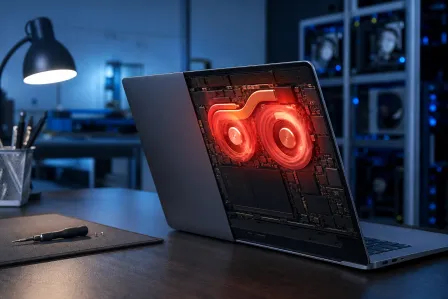
TL;DR: Macs run hot when something is hogging the CPU, airflow is blocked, or the cooling system has a physical problem. Start with Activity Monitor, clean the vents, and adjust your settings. If the heat keeps coming back, you may need a hardware look from a repair tech.
What You Need
- A Mac laptop or desktop (any model)
- Access to Activity Monitor (built into macOS)
- A can of compressed air (for laptops, optional but useful)
- About 15-30 minutes
- A flat, hard surface to set your laptop on
No special software required. Everything in this guide uses tools already on your Mac.
Step 1: Check Activity Monitor First
Before you do anything physical, open Activity Monitor. It lives in Applications > Utilities, or just spotlight-search it.
Click the CPU tab. Look at the % CPU column. Sort it from highest to lowest.
Ask yourself: Is something using 80%, 90%, or even over 100% CPU when you are not doing anything intense? That is your culprit.
Common offenders include:
- A browser tab running heavy video or JavaScript
- A background update (macOS, app store, or antivirus scan)
- A runaway process like
kernel_task,mds_stores, or a crashed app
If you spot a process you do not recognize chewing through CPU, select it and hit the X button to quit it. If it is a browser tab, close it. Then watch the temperature. Many Macs cool down within two or three minutes once the CPU load drops.
Step 2: Check What Is Running in the Background
Apps you are not actively using can still run in the background and generate heat. Here is how to audit them.
Go to System Settings > General > Login Items. This list shows everything that launches at startup and runs silently. Remove anything you do not need.
Also check System Settings > General > Software Update. If a large macOS update is downloading or installing in the background, your Mac will run warm until it finishes. That is normal. Just let it complete.
For browsers specifically, Chrome is a known CPU heater on Mac. Safari is significantly lighter on resources. If you use Chrome for everything, try switching to Safari for a day and see if your Mac runs cooler.
Step 3: Fix Your Physical Setup
This one gets overlooked constantly. Where your Mac is sitting matters a lot.
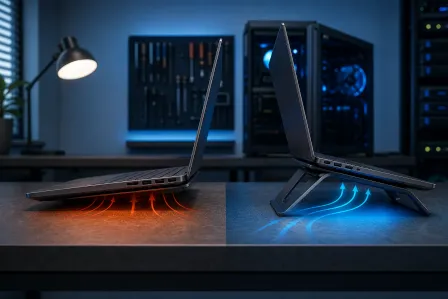
MacBook users: Never use your laptop on a bed, couch, pillow, or your lap for long sessions. These surfaces block the vents on the bottom or sides and trap heat. Use a hard, flat surface. A lap desk works well if you like working from a couch.
iMac and Mac mini users: Make sure there is at least a few inches of open space behind and around the machine. Do not push it flush against a wall.
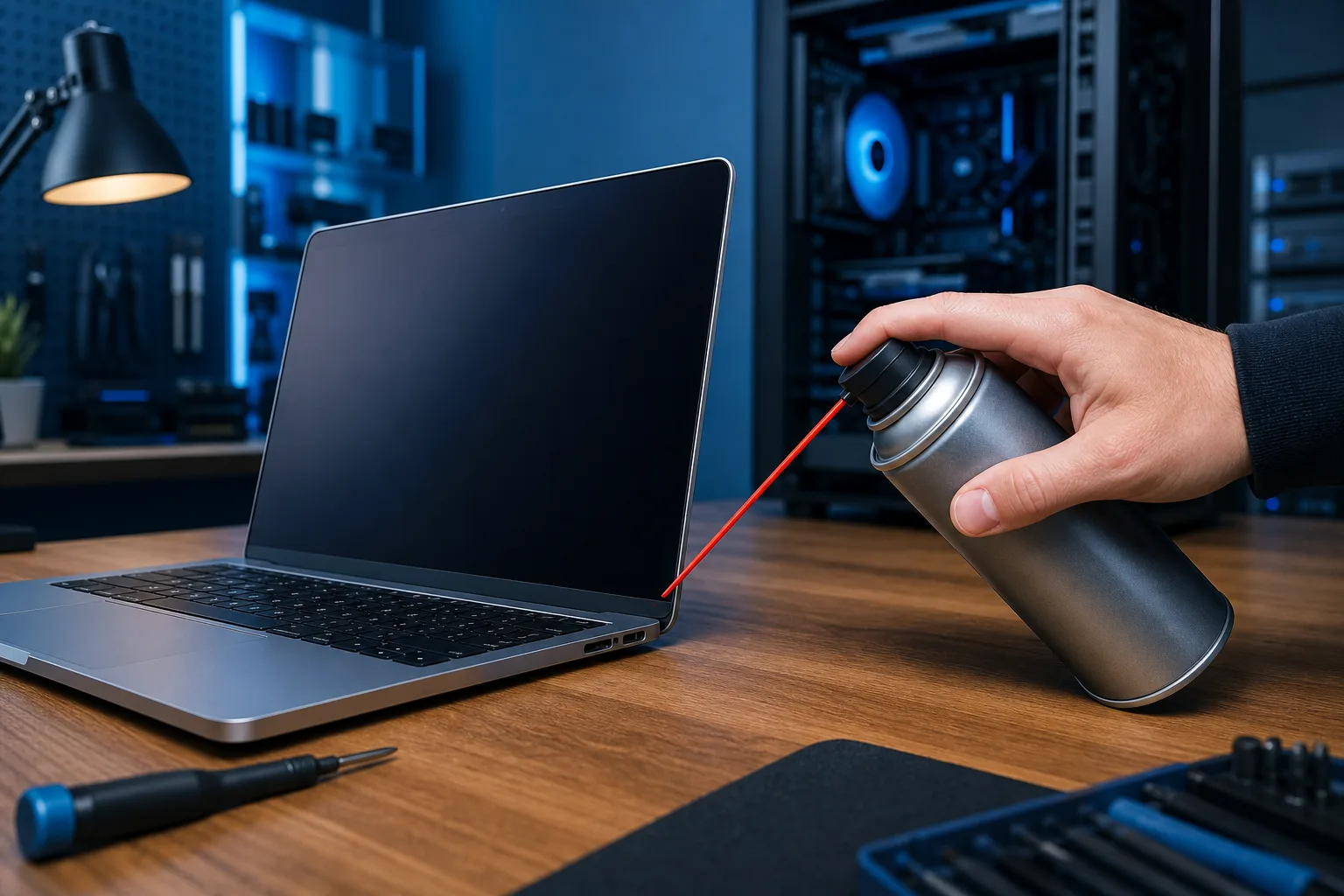
If your MacBook vents look dusty or grimy, a short burst of compressed air from about six inches away can help clear them. Do not blast air directly into the machine for long periods. Short controlled bursts are plenty.
Also check the room temperature. South Florida summers are brutal. If your home office hits 85°F or your AC is struggling, your Mac is working harder than it should. Keeping the room under 75°F makes a real difference.
Computer acting up? Get a real diagnosis. Book a free diagnostic
Step 4: Manage Energy Settings
macOS has built-in tools to help your Mac manage heat without you doing anything manual.
Go to System Settings > Battery (on MacBooks) or System Settings > Energy Saver (on desktops).
Turn on Low Power Mode if you are doing light tasks like browsing or writing. This reduces how hard the CPU runs and drops fan noise and heat noticeably. You can turn it off when you need full performance.
Also look for Enable Power Nap. If it is on, your Mac wakes partially during sleep to check email and sync data. This generates heat even when the lid is closed. Turning it off can help if your Mac is warm after sitting idle.
Step 5: Reset the SMC or Run Apple Diagnostics
If your Mac is still running hot after the steps above, the System Management Controller (SMC) may have a glitch. The SMC controls fans, thermals, and power management.
For Intel Macs: Shut down the Mac. Hold Shift + Control + Option on the left side of the keyboard, then press the power button at the same time. Hold for 10 seconds, then release. Turn the Mac back on normally.
For Apple Silicon Macs (M1, M2, M3, M4): There is no SMC to reset. Simply shut down completely, wait 30 seconds, and restart. Apple Silicon handles power management differently and usually self-corrects.
You can also run Apple Diagnostics by restarting and holding D during startup. This checks hardware including fans and temperature sensors. If it flags an error code, write it down. That code tells a technician exactly where to look.
Step 6: Consider a Professional Cleaning or Repair
If your Mac is more than two or three years old and runs hot even during light tasks, there is a good chance the thermal paste on the CPU has dried out. Thermal paste is the compound between the processor and the heatsink that transfers heat. It degrades over time and loses effectiveness.
Replacing thermal paste is not a beginner job on a Mac. The screws are tiny, the components are dense, and you can damage things quickly if you have never done it before. This is worth having a professional handle.
A full internal cleaning to remove dust buildup from the heatsink fins is also something most people should leave to a tech. On older MacBook Pros especially, dust can accumulate inside the chassis even though the vents look fine from outside.
If your Mac is still under AppleCare, take it to an Apple Store first. If it is out of warranty, a local repair shop that works on Macs is often faster and less expensive. You can book a Mac repair appointment with us or reach out through our contact page if you want to describe the issue first.
For general laptop concerns that go beyond just heat, our laptop repair page covers what to expect from a diagnostic visit.
Common Mistakes
Using a third-party fan control app aggressively. Apps like Macs Fan Control let you manually spin fans faster. That might seem helpful, but running fans at max all the time causes premature wear and can be louder than the problem you are trying to solve. Use these tools cautiously if at all.
Closing the lid and putting it in a bag right after heavy use. Heat needs somewhere to go. Closing the lid traps heat inside. Let your Mac sit on a flat surface for a few minutes after a heavy session before packing it up.
Assuming heat always means a problem. Some tasks genuinely make Macs work hard. Exporting video, running virtual machines, compiling code, or playing games will spike the CPU and warm the machine. That is normal. If the heat goes away after the task ends, you are fine.
Ignoring a Mac that shuts itself off. If your Mac shuts down without warning during normal use, that is a thermal protection trigger. The machine is protecting itself from damage. Do not ignore it. That is the time to stop using it and get it checked out. You can request remote support as a first step if you want a quick look before bringing it in.
Blocking vents with a skin or sticker. Vinyl skins are popular but some designs cover the bottom vents on MacBooks. Check yours.
Bottom Line
A hot Mac is almost always traceable to one of three things: a process overloading the CPU, blocked airflow, or aging hardware that needs cleaning or new thermal paste.
Start with Activity Monitor. Fix your physical setup. Adjust your energy settings. If the problem persists, an SMC reset or Apple Diagnostics run can point you in the right direction.
And if all of that still leaves your Mac running warm during normal tasks, it is time for a proper look inside. A short professional cleaning or thermal paste replacement can add years of comfortable use to an older Mac.
Our team at Fix My PC Store works on Macs regularly and can usually turn around a cleaning or thermal service quickly. Schedule a repair or contact us if you want to talk through what you are seeing first. We are based in West Palm Beach and serve all of South Florida.
Computer acting up? Get a real diagnosis.
Fix My PC Store has repaired thousands of machines across West Palm Beach. Free diagnostics, honest pricing, no upsell games.