Secure Remote Support Setup: A Zero-Trust Checklist
Listen to this article
TL;DR: A secure remote support setup is all about giving the right access, for the shortest time, with proof of who connected and what happened. Let’s break this down into a simple zero-trust checklist you can reuse every time you need remote help!
Remote support is one of my favorite “modern life” conveniences. You get help fast, you don’t have to unplug anything, and problems get fixed while you sip coffee. But here’s the catch: remote access is powerful. So we want it to be intentionally powerful, not accidentally risky.
Whether you’re a homeowner or an SMB in Palm Beach County, this guide is your practical remote support security checklist for 2026. It focuses on consent-based sessions, least-privilege technician access, MFA and conditional access, device posture checks, session recording, audit logs, encryption, and time-bounded permissions. You’ve got this.
Why a Zero-Trust Remote Access Mindset Matters
Zero trust remote access is a simple idea with huge benefits: never automatically trust a connection just because it’s “inside” your device or network. Instead, verify identity, verify device health, limit permissions, and log everything.
This sounds complicated, but I promise it’s not! Zero trust is basically a set of good habits:
- Verify who is connecting (MFA, technician identity).
- Validate the device (posture checks like OS updates and antivirus status).
- Limit what they can do (least privilege remote access).
- Record what happened (audit logs, optional session recording).
- Expire access quickly (remote access time limits).
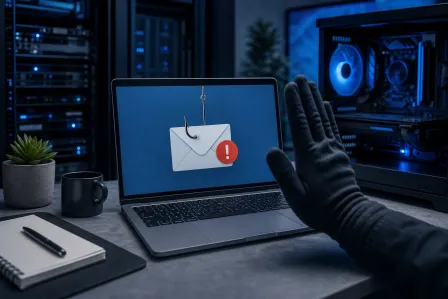
And yes, these steps help protect you from common issues like reused passwords, unattended access left on “forever,” and social engineering scams where someone talks a user into clicking the wrong thing.
Secure Remote Support Setup Checklist (Zero-Trust, Step-by-Step)
Here’s the main event: a practical checklist you can use for your home PC, a family member’s laptop, or a small business workstation. If you want help implementing this with a pro, our remote IT support service is built for safe, repeatable remote sessions.
1) Start with Consent-Based Sessions (Default to “Ask Every Time”)
For most people, the safest baseline is consent prompts for every session. That means the user sees a clear request and approves it before anyone can view or control the screen.
Use consent prompts to enforce:
- Clear technician identity (name or code shown to the user).
- Clear session intent (view-only vs full control).
- A visible “end session” option (user stays in control).
Small win to celebrate: if you switch from “always on” access to “prompt every time,” you just reduced your risk a lot.
2) Enforce Least Privilege Remote Access (Give Only What’s Needed)
Least privilege remote access means a technician gets only the permissions required to fix the issue. Not all-powerful access by default.
Examples of least-privilege choices during a remote support session:
- View-only for coaching and walkthroughs.
- Disable clipboard sync if sensitive data is on-screen.
- Disable file transfer unless it’s required for the fix.
- Limit admin elevation (only elevate when installing or changing system settings).
Think of it like handing someone your keys. You can hand them the key to the front door, not the master key to everything. Once you see it, it’ll totally click.
3) Lock Down Technician Access Controls (Identity, Roles, and MFA)
For SMBs, technician access controls are where remote support goes from “helpful” to “professionally safe.” At minimum, require multi-factor authentication (MFA) for any technician account used to initiate sessions.
Best practices that work well for small teams:
- Named technician accounts (no shared logins).
- Role-based access (helpdesk vs admin privileges).
- MFA required for sign-in and for sensitive actions when possible.
- Strong password policy and a password manager.
If you’re building a more mature setup, this pairs nicely with managed policies from an IT partner. That’s exactly what our managed IT services help SMBs implement across Palm Beach County.
4) Add Conditional Access for Remote Support (Only Allow Safe Sign-Ins)
Conditional access for remote support means “allow access only if certain conditions are true.” For example: MFA completed, sign-in risk is low, and the technician device meets security requirements.
Common conditional access conditions:
- MFA is required for every remote support sign-in.
- Block legacy authentication where applicable.
- Allow only approved locations or IPs (for SMBs with fixed offices).
- Require compliant devices (device posture checks, below).
If you want background reading, Microsoft has solid guidance on account and security basics at Microsoft Support for Windows security and account protection.
5) Require Device Posture Checks (Before the Session Starts)
Device posture checks answer a simple question: “Is the device in a reasonably safe state right now?” You don’t need perfection. You want a minimum bar.
Practical posture checks for Windows 10 and Windows 11 devices:
- OS is supported and updated (at least current security updates).
- Disk encryption enabled where appropriate (common in business laptops).
- Antivirus/anti-malware active and up to date.
- Firewall enabled.
For businesses, posture checks are often enforced through endpoint management. For homeowners, it can be as simple as confirming Windows Update is working and security software is active.
6) Harden the Remote Support Tool (Settings That Prevent “Oops” Moments)
Remote support tool hardening is about turning off features you don’t need and protecting the ones you do. Many remote tools offer options like file transfer, remote printing, clipboard sync, unattended access modules, and reboot-and-reconnect behavior.
Hardening checklist items:
- Disable unattended access by default (enable only when needed).
- Turn off file transfer unless required for the job.
- Restrict remote scripting or command execution to admins only.
- Require user confirmation for control, elevation, or sensitive actions.
- Keep the tool updated (security fixes matter).
And hey, if you’ve ever left a setting enabled “just in case,” you’re not alone. This is a learning moment, not a failure. The goal is to make safe the default.
7) Use Remote Session Permissions That Match the Task
Remote session permissions should change depending on what you’re doing. Troubleshooting Wi-Fi? Maybe view-only is enough. Installing a printer driver? You might need admin elevation for a short window.
Try this simple permission ladder:
- View-only (best for coaching and verification)
- Full control without file transfer (common fixes)
- Full control + temporary admin elevation (installations and deeper repairs)
Pro tip: Ask your technician to explain why they need a permission. A good tech will love that question.
8) Enforce Remote Access Time Limits (Auto-Expire Access)
Remote access time limits are one of the most underrated safety features. The idea is simple: access should end automatically when the job is done, or after a defined window.
Time-bounding options you can use:
- Session ends when the user closes it (best for home users).
- Auto-disconnect after inactivity (prevents accidental open sessions).
- Temporary access windows (for SMB maintenance).
This is how you avoid the classic “we forgot it was still enabled” scenario.
9) Turn On Remote Support Audit Logs (You Want Receipts!)
Remote support audit logs help you answer: who connected, when, from where, and what actions were taken. For SMBs, logs can be essential for compliance and incident response. For homeowners, it’s peace of mind.
At minimum, log:
- Technician identity (named user)
- Target device (hostname or asset tag)
- Start/stop time and duration
- Permission level used (view-only vs control)
- File transfer events (if allowed)
10) Decide When Session Recording Makes Sense (And Get Consent)
Session recording remote support can be a fantastic safety and training tool, but it must be handled responsibly. If you record sessions, make it obvious and get consent. Also decide how long recordings are retained and who can access them.
Recording is most useful when:
- You need accountability for privileged access.
- You want repeatable documentation for recurring issues.
- You’re training staff or standardizing processes.
Recording is not always appropriate for highly sensitive workflows. When in doubt, choose minimal data collection and strong logs.
11) Confirm Remote Support Encryption (Protect Data in Transit)
Remote support encryption protects the session traffic while it travels between devices. Most reputable remote support tools encrypt traffic, but you should still confirm encryption is enabled and that you’re using the official client/app.
Two practical tips:
- Download tools only from official sources or your IT provider’s trusted link.
- Avoid “mystery” download links sent via unsolicited texts or pop-ups.
If you want to learn more about how remote access scams work (so you can spot them faster), Malwarebytes has helpful education at Malwarebytes resources on remote access scams and device security.
12) Handle Secure Unattended Access Carefully (Use It Only When You Truly Need It)
Secure unattended access means a technician can connect when no one is at the keyboard. This can be great for servers, overnight maintenance, or scheduled patching. But it must be locked down.
If you enable unattended access, treat it like a spare house key:
- Require MFA for any technician initiating an unattended session.
- Use named accounts and remove access immediately when staff changes.
- Restrict which devices allow unattended access (not every laptop needs it).
- Use time-bounded access whenever possible (enable it for a window, then disable).
- Audit logs are mandatory (and recording is often a good idea).
If you don’t truly need unattended access, the safest choice is to skip it and use consent-based sessions only. That is a perfectly smart decision.
Quick “Do This, Not That” Remote Support Security Checklist
- Do: Use consent prompts. Not that: Leave always-on access enabled “forever.”
- Do: Use least privilege permissions. Not that: Give admin rights for basic troubleshooting.
- Do: Require MFA and conditional access. Not that: Rely on passwords alone.
- Do: Keep audit logs and consider recording. Not that: Operate with no visibility.
- Do: Set remote access time limits. Not that: Let sessions linger or reconnect silently.
When to Call a Pro (And When You Can DIY)
You don’t need to be a tech expert to do this. If you’re a homeowner, you can absolutely start by using consent prompts, ending sessions when you’re done, and keeping Windows updated. Those three steps alone are powerful.
If you’re an SMB, it’s worth professionalizing the process so it’s consistent across staff and devices. That’s where we can help with everything from secure remote access policies to endpoint protection and standard operating procedures.
And if you’re already dealing with a messy situation like pop-ups, suspicious remote access attempts, or a compromised account, our computer repair and malware cleanup team can help you stabilize first, then harden your setup so it doesn’t happen again.
Local Notes for Palm Beach County Homes and SMBs
We support clients across Palm Beach County, including West Palm Beach, Palm Beach Gardens, Jupiter, Lake Worth Beach, Boynton Beach, Delray Beach, Royal Palm Beach, Wellington, Greenacres, and surrounding areas. Remote support is often the fastest fix, and with the checklist above, it can also be a safe one.
Want a repeatable setup for your household or your business? Let’s walk through this together.
Need Help Right Now?
Get instant remote IT support from Palm Beach County's trusted technicians - no appointment needed.
Get Remote Help