Secure Remote Support: Safe Access Checklist for Home & Business
Listen to this article
TL;DR: Secure remote support should feel fast and friendly, but it also needs guardrails. This checklist shows you exactly what to expect: clear consent, one-time access, least-privilege permissions, session logging, and a clean lock-down after the fix. You do not need to be a tech expert to use this, you just need a plan. You’ve got this!
Remote help is one of my favorite “modern life” upgrades. Your technician can troubleshoot in minutes instead of driving across town. But here’s the key: remote computer support security is not optional. The same convenience that helps you can also be misused if the session is set up carelessly.
Let’s break this down into a practical remote access checklist you can use at home or in a small business. If you’re in Palm Beach County (West Palm Beach, Palm Beach Gardens, Lake Worth Beach, Boynton Beach, Wellington, Royal Palm Beach, Jupiter, and nearby), this is also the exact mindset we recommend for safe service delivery.
Why secure remote support matters (and what “secure” actually means)
“Secure” is one of those words that gets tossed around a lot. So let’s make it concrete. Secure remote support means:
- You control access (consent and timing).
- Access is limited (least privilege, only what’s needed).
- The connection is protected (an encrypted remote session).
- Actions are accountable (session logging and audit trail).
- Access is removed when the work is done (post-session lock-down).
This sounds complicated, but I promise it’s not! Once you see the steps, it’ll totally click.
Secure remote support checklist (use this every time)
Save this section. Screenshot it. Print it. Put it in your “adulting folder.” This is your evergreen secure remote support playbook.
1) Confirm you’re talking to the right person (identity check)
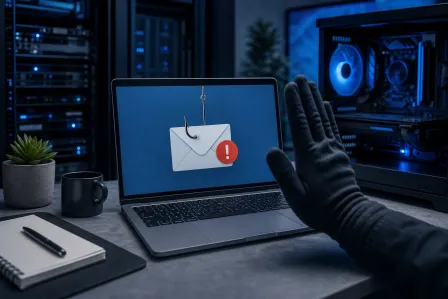
Before you install anything or approve a session, do a quick identity check. This protects you from common “remote access” scams.
- Initiate contact using a trusted method (your saved number, your provider’s website, or a known email thread).
- Verify the technician or company name and ask what device they are helping with.
- Be cautious with urgency: pressure like “do this right now or you’ll be hacked” is a red flag.
If you want extra peace of mind, skim the Malwarebytes Blog: remote access scams and protection tips for common tactics scammers use. Knowledge is power!
2) Get clear remote support consent (no surprises)
Remote support consent should be explicit. You should know what’s being shared and what control the technician has.
- Ask: “Will you be able to control my mouse and keyboard, or view only?”
- Ask: “Will you need admin permissions?” (Only sometimes. More on that in a second.)
- Ask: “Can I watch the whole time?” (You should be able to.)
Small win to celebrate: the moment you ask these questions, you’re already practicing better security than most people. Nice!
3) Require a one-time access code (avoid permanent doors)
For most home support and many small business scenarios, a one-time access code is the safest default. It creates a temporary session that expires when you close it.
- Prefer tools that generate a unique session code for each visit.
- Avoid “always-on” remote agents unless you truly need them and have a policy (see unattended access below).
- If the tool offers it, enable prompts like “Ask before connecting”.
Think of it like letting a plumber in for a scheduled job, not giving them a copy of your house key forever.
4) Confirm an encrypted remote session (protect the data in transit)
Remote support should use encryption so your screen data and session traffic are not readable to outsiders.
- Ask the provider: “Is the remote session encrypted end-to-end or using strong transport encryption?”
- Do not use random “screen share” links from unknown sources.
- Use your secure home or office network when possible (avoid public Wi-Fi for support sessions).
If you’re using built-in Windows features, Microsoft’s overview is a helpful baseline: Microsoft Support: Remote Desktop in Windows. (And yes, you can secure it properly, but configuration matters.)
5) Use least privilege remote access (give only what’s needed)
Least privilege remote access means the technician only gets the minimum permissions required to fix the issue. This reduces risk if anything goes wrong.
- Start with view-only if you’re just demonstrating a problem.
- Grant remote control only when troubleshooting requires it.
- Approve admin elevation only when installing drivers, removing deep malware, or changing system settings.
- If your tool supports it, use prompted elevation so you must approve admin actions.
Friendly reminder: saying “not yet” to admin permissions is not being difficult. It’s being smart.
6) Check remote support tool settings before you click “Allow”
Many tools include optional settings that can quietly increase risk if left on. Here’s what to look for in remote support tool settings:
- Disable unattended access unless you have a policy and a business need.
- Disable file transfer unless it’s required for the fix (or limit it to technician-to-customer direction).
- Disable clipboard sync if you’re dealing with passwords or sensitive text.
- Disable remote printing unless needed.
- Enable connection prompts and visible session indicators.
Pro tip: If you’re not sure what a toggle does, ask. Curiosity is a security skill!
7) Ensure session logging is available (especially for businesses)
Session logging creates accountability. For small businesses, it also helps with compliance and internal audits.
- Ask if sessions record timestamps, technician identity, device name, and actions taken.
- Ask where logs are stored and who can access them.
- If your business handles sensitive data, consider retaining logs for a defined period.
For home users, logging is still useful. If you ever wonder “what changed?” a log can help answer that without guesswork.
8) Protect remote support privacy (reduce exposure during the session)
Remote support privacy is about limiting what a technician can accidentally see while still getting the job done.
- Close personal tabs (email, banking, medical portals).
- Pause password managers from auto-filling during the session.
- Move sensitive documents off the desktop (or into a folder) to reduce accidental exposure.
- If you need to type a password, ask for “I’ll type it” and keep control for that moment.
No shame if you forget and something pops up. It happens! Just treat it as a learning moment and adjust next time.
9) Define an unattended access policy (business must-have)
Unattended access can be legitimate for servers, after-hours maintenance, and managed endpoints. But it needs rules. A good unattended access policy includes:
- Which devices are allowed to have unattended agents (not “everything”).
- Who can use it (named technician accounts, not shared logins).
- Multi-factor authentication for technician sign-in.
- Approval and documentation for installing or enabling unattended access.
- Regular review of agent lists and access rights.
If your business wants this done cleanly, that’s a perfect fit for managed IT services for small businesses where policies, patching, and access control can be maintained consistently.
10) Do post-session lock-down steps (the “close the door” moment)
This is the most skipped step, and it’s the easiest win. After the session:
- End the remote session and confirm the technician is disconnected.
- Remove the temporary tool if it was a one-time app (or keep it only if you trust the provider and need it).
- Disable unattended access if it was enabled for troubleshooting.
- Change passwords if you shared credentials or suspect exposure.
- Reboot if updates or security changes were applied.
That’s it. You closed the loop. You’d be amazed how much safer that makes your setup.
Remote computer support security red flags (when to stop the session)
Let’s keep this empowering and simple. If any of these happen, you can pause or stop the session immediately:
- They ask for your password and insist you read it out loud.
- They want you to install software from a random link or file you did not request.
- They pressure you to allow unattended access “forever” for a one-time fix.
- They ask you to disable antivirus or security features without explaining why and for how long.
- They won’t explain what they’re doing when you ask.
You’re allowed to say: “I’m going to end the session and reschedule after I verify a few things.” That’s not rude. That’s responsible.
Secure remote support best practices for small businesses (quick wins)
If you run a small business in Palm Beach County, you’re juggling a lot. These are high-impact remote support best practices that keep your team productive and safer:
- Standardize the tool: one approved remote support method, not five random ones.
- Use named accounts for technicians and staff, no shared logins.
- Require MFA wherever possible (email, remote portals, admin accounts).
- Separate admin accounts from daily-use accounts for staff.
- Document consent and keep session logs for accountability.
And if a device is acting up locally (hardware issues, overheating, failing drive), remote support can still help you triage. But you may need hands-on service next. That’s where professional computer repair and diagnostics comes in.
What to expect from Fix My PC Store remote support (safe, clear, and practical)
If you choose secure remote IT support with Fix My PC Store, you should expect a process that respects your time and your privacy. That means explaining what we need, using temporary access when appropriate, limiting permissions, and recommending lock-down steps when we’re done.
For local residents and businesses across West Palm Beach and the greater Palm Beach County area, remote support is often the fastest path to a fix. And when remote is not enough, we can guide you to the next best step without guesswork.
Quick printable remote access checklist (copy/paste)
- Identity: I contacted support via a trusted number/site.
- Consent: I understand view vs control and what’s being changed.
- One-time access: Session uses a unique code and expires.
- Encrypted session: Connection is protected; I avoided public Wi-Fi.
- Least privilege: Started with minimal permissions; admin only if needed.
- Tool settings: Unattended access off; file transfer/clipboard limited.
- Logging: Sessions are logged (business especially).
- Privacy: Sensitive tabs closed; I typed passwords myself.
- Lock-down: Session ended; tool removed/disabled; rebooted if needed.
You don’t need to do this perfectly. You just need to do it consistently. That’s how security becomes normal and not stressful!
Need Help Right Now?
Get instant remote IT support from Palm Beach County's trusted technicians - no appointment needed.
Get Remote Help