Browser-Based Remote Support in 2026: Safer Help Without Installs
Listen to this article
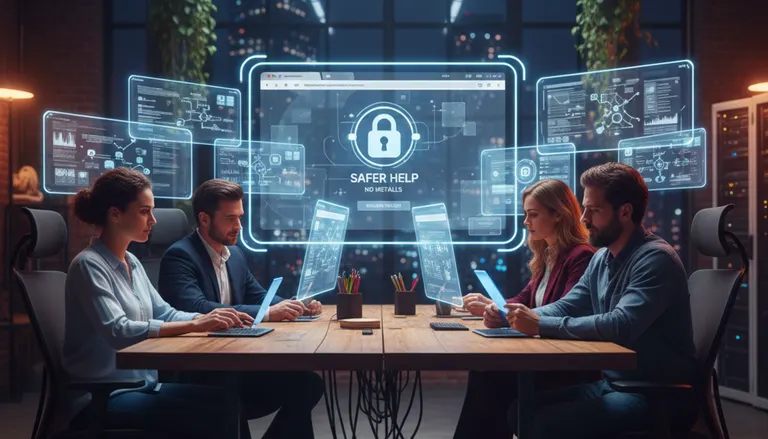
Browser-based remote support is one of my favorite “why didn’t we do this sooner?” tech shifts. In 2026, remote support scams and strict device policies (especially on work laptops) have pushed the industry toward click-to-join help sessions that run right in your browser. No sketchy downloads. No “just run this .exe” pressure. Just a simple link, a one-time code, and clear permission prompts.
Let’s break this down together! I’ll show you how remote support without downloads works, when it’s the right tool for home users and businesses, and the security checklist you should expect from a legitimate provider here in Palm Beach County. You’ve got this.
What Is Browser-Based Remote Support (and Why It’s Everywhere in 2026)?
Browser-based remote support is remote troubleshooting delivered through a web browser instead of a traditional installed app. Typically, you click a secure link, enter a one-time code, and approve specific permissions. The support tech can then view your screen and, if you allow it, control your keyboard and mouse to fix the issue faster.
What changed? Scams and blocked installers
Two big forces are shaping remote troubleshooting in 2026:
- Remote support scams have trained people (rightfully!) to be suspicious of random downloads.
- Locked-down devices at businesses often block installations for security reasons, even for legit tools.
Browser sessions help reduce both problems because they can be more transparent, more permission-driven, and easier to end cleanly.
Is it really “no install”?
Most of the time, yes. Many modern platforms can run entirely in the browser for screen sharing and basic control. In some cases, a tiny temporary helper may be required for advanced features, but the goal is the same: fast, minimal, and transparent access. A legit provider will tell you clearly what’s happening and why before anything runs.
How WebRTC Remote Help Works (Simple, Friendly Version)
You’ll often hear the phrase WebRTC remote help. WebRTC is a widely used web technology that enables real-time communication in the browser. It’s commonly used for voice, video, and screen sharing, and it’s a big reason click-to-join support feels so smooth now.
Here’s what a typical browser-based session looks like:
- You request help from a trusted provider.
- You receive a secure link to a session page.
- You enter a one-time code (or the tech gives you a code to confirm you’re joining the right session).
- You see consent prompts like “Allow screen sharing?” and “Allow remote control?”
- The session starts with clear indicators that you are sharing.
- You can end the session anytime, and access stops.
Once you see it, it’ll totally click. The best part is that you stay in control the entire time.
Remote Support Without Downloads: When It’s a Perfect Fit
Browser-based sessions are not just convenient. They’re practical in very real day-to-day situations.
For home users
- Email won’t send, a browser keeps redirecting, or a printer is “mysteriously offline.”
- Pop-ups or scary warnings and you want a trusted second opinion fast.
- Wi-Fi and speed issues where a tech can guide you through settings safely.
- Software setup help like Microsoft 365 sign-in issues or syncing problems.
If you’re in West Palm Beach, Lake Worth Beach, Palm Beach Gardens, Wellington, Royal Palm Beach, Boynton Beach, Delray Beach, or anywhere in Palm Beach County, this can be a quick way to get help without waiting for an onsite visit.
For businesses
- Employees on locked-down PCs where installing tools is restricted.
- Quick triage before deciding whether an onsite visit is needed.
- New user onboarding and access troubleshooting (email, VPN, app permissions).
- After-hours support when you need a fast fix to keep work moving.
For ongoing needs, businesses often pair remote sessions with policies, monitoring, and patch management through managed IT services for Palm Beach County businesses.
When Browser-Based Remote Troubleshooting Is NOT Enough
Okay, real talk! Some problems need deeper tools or hands-on work. Browser-based remote support is amazing, but it’s not magic.
Common cases that may need onsite or repair-shop help
- Hardware failures (bad SSD, overheating, battery swelling, broken charging port).
- No-boot situations (Windows won’t start at all).
- Severe malware infections where the system is unstable or network access is compromised.
- Physical networking issues (faulty cabling, dead switch ports, damaged router).
In those cases, we typically pivot to computer repair and troubleshooting so we can diagnose safely and fix the root cause. And hey, recognizing “this needs a different approach” is a win. That’s good troubleshooting!
Secure Remote Assistance: The 2026 Safety Checklist You Should Expect
This is the section I wish everyone read before clicking anything. A legitimate provider will welcome your questions and follow a predictable security routine. If someone gets pushy, vague, or rushed, you can pause. You’re allowed to protect your device.
1) One-time access codes (not permanent access)
One-time access remote session is the gold standard for everyday support. You should see a code that’s valid only for that session, and the session should die the moment you end it.
If a stranger asks you to install something that gives “always-on” access, that’s a giant red flag for most home-user situations.
2) Clear consent prompts (view-only vs control)
You should be able to approve steps like:
- Screen sharing (they can see your screen)
- Remote control (they can click and type)
- Clipboard access (copy and paste)
A trustworthy tech will tell you what they’re requesting and why. And you should always have an obvious “End Session” option.
3) Least-privilege access (only what’s needed)
Least privilege means the tech uses the minimum access required to fix the issue. Example: if we only need to guide you through a setting, view-only might be enough. If we need to run a repair step, we may request control for that part, then stop.
This sounds complicated, but I promise it’s not. It’s just “do the smallest safe thing first.”
4) Session logging and accountability
Legit providers should be able to explain what gets logged, such as:
- Start and end time of the session
- Technician identity (who helped you)
- High-level actions taken (what was changed and why)
For businesses, logging is especially important for audits and compliance. It’s part of being professional.
5) You can verify who you’re talking to
Here’s a simple safety move: you call the company back using a number you trust (like a bill, a website you typed in yourself, or a saved contact). Scammers hate callbacks. Real support teams expect them.
Microsoft also shares general safety guidance for getting help, and it’s worth a quick read: Microsoft Support guidance on getting help and remote assistance in Windows.
6) Secure browsing basics still matter
Even with no installs, you still want good habits:
- Only join sessions from a provider you contacted or verified.
- Don’t share passwords. A tech can guide you while you type them.
- Close sensitive tabs (banking, medical portals) before screen sharing.
- Watch for the browser’s sharing indicator so you know what’s being shared.
If you want to stay current on scam patterns and security trends, Malwarebytes keeps a solid stream of practical info: Malwarebytes news and resources on scams and security.
What a Legit Fix My PC Store Remote Support Session Looks Like
If you’re in Palm Beach County and you reach out to us, our goal is simple: make remote help feel safe, calm, and transparent. We’ll explain what we’re doing in plain English and check in before making changes.
Our “no surprises” approach
- Click-to-join browser session when possible
- One-time session access for typical home support
- Clear consent prompts before screen sharing or control
- Least-privilege troubleshooting (start small, escalate only if needed)
- Wrap-up summary of what we fixed and what to watch next
Want the remote option right away? Head here: browser-based remote support and remote IT help. If we discover the issue is bigger than remote can handle, we’ll recommend the next best step, including in-shop or onsite computer repair when needed.
Quick Self-Defense: How to Spot a Remote Support Scam Fast
No shame here. Scams are designed to feel urgent and official. The win is learning the pattern.
Red flags that deserve an immediate pause
- They contacted you first with a “virus alert” or “refund problem.”
- They demand you act right now or threaten account closure.
- They ask for gift cards, crypto, wire transfers, or weird payment methods.
- They insist you install software from a random link without explanation.
- They want you to log into your bank while they watch.
If anything feels off, you can end the session. That’s not rude. That’s smart.
Remote Support Security Best Practices for Businesses (Palm Beach County Edition)
If you manage a team, you can make remote support dramatically safer with a few simple standards:
- Use approved support channels only (a known help portal or known provider).
- Require one-time session links and technician identity verification.
- Train staff to never accept unsolicited “support” calls.
- Limit admin rights on user accounts whenever possible.
- Keep devices updated (Windows 10 or Windows 11 updates, browser updates, security patches).
And if you want a more structured approach, that’s exactly what managed IT services are built for: consistent security, predictable support, and fewer emergencies.
Final Take: Safer Help Can Be Simple
Browser-based remote support is popular in 2026 for a very good reason: it lowers friction while raising transparency. You get help fast, you avoid random installers, and you stay in control with one-time codes and consent prompts.
Small win to celebrate: if you’ve read this far, you already know more than most people about safe remote assistance. Seriously! The next time you need help, you’ll know exactly what to look for.
Need Help Right Now?
Get instant remote IT support from Palm Beach County's trusted technicians - no appointment needed.
Get Remote Help