Windows Remote Desktop: Stop MSTSC Login Pop-Ups & RDP Scans
Listen to this article
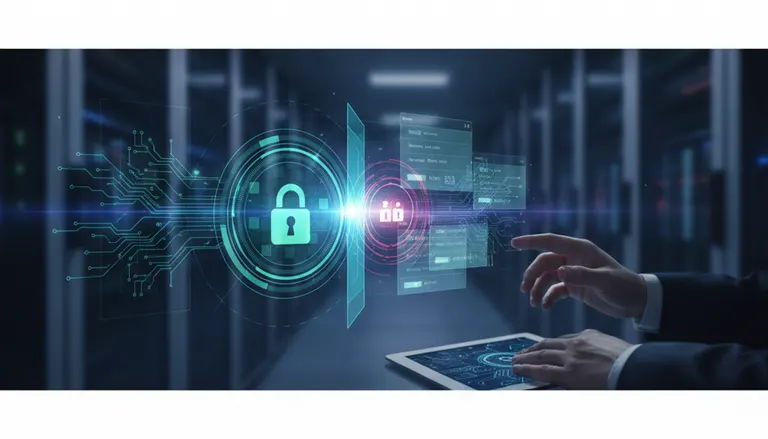
If you are seeing a Windows Remote Desktop January 2026 surprise like an MSTSC login popup asking for credentials, or repeated “failed sign-in” alerts after you enabled remote access for travel or IT help, you are not alone. In most cases, it is not a mysterious Windows feature suddenly “turning on” by itself. It is typically the result of RDP scanning across the internet and RDP brute force attacks trying common usernames and passwords against any system that appears reachable.
This guide explains what is happening, what Windows settings matter most right now, and the safest fixes for home users and small offices in Palm Beach County. If you want hands-on help hardening your PC or network, Fix My PC Store provides secure remote support for Windows PCs and on-site assistance across West Palm Beach and nearby areas.
Why you are getting MSTSC login pop-ups in January 2026
An MSTSC login popup is the standard Windows Remote Desktop credential prompt. It can appear when:
- You (or your IT helper) previously enabled Remote Desktop and the PC is now reachable from another device or network.
- Port 3389 (RDP) is exposed to the internet through a router port-forward rule, UPnP, or a misconfigured firewall.
- Automated scanners find your public IP and begin testing logins. These attempts may trigger credential prompts, lockouts, or Security log events.
What “RDP scans” and brute-force attempts look like
Attackers rarely target a specific person. Most activity is automated. A scanner checks your public IP for an open RDP port. If it finds one, it tries usernames like Administrator, Admin, User, or real names, then cycles passwords. Even if the attacker never succeeds, the attempts can generate:
- Repeated Windows security alerts or account lockouts
- Event Viewer entries (failed logons)
- Credential prompts if a remote session is initiated from a nearby device on the same network
How recent Windows updates affect Remote Desktop settings (without speculation)
Windows 10 and Windows 11 continue to receive security updates in 2026. These updates can adjust security defaults, tighten authentication behavior, and improve logging. They do not typically enable Remote Desktop automatically, but updates can change how clearly Windows warns you about sign-in attempts and how policies are enforced. The key takeaway is simple: if RDP is reachable, it will be scanned. Your job is to reduce exposure and require strong authentication.
Supporting image suggestion: Place a screenshot-style image after this section showing Windows Security Event Viewer filtered to failed logon events (with sensitive details blurred).
Windows RDP security basics: what to check first
Before changing anything, confirm whether Remote Desktop is actually enabled and whether it is exposed beyond your home or office network.
Step 1: Confirm if Remote Desktop is enabled
- In Windows 11: Settings - System - Remote Desktop
- In Windows 10: Settings - System - Remote Desktop
If it is off and you are still seeing prompts, the prompt may be coming from a different PC on your network, a remote support tool, or a saved RDP shortcut trying to connect. If it is on, continue below.
Step 2: Check if port 3389 is forwarded on your router
Log into your router and look for:
- Port Forwarding rules for TCP 3389 (or any custom RDP port)
- UPnP entries that may have created a rule automatically
- Firewall rules allowing inbound RDP from “Any”
If you find an open rule to your PC, that is the most common reason for internet-based RDP scans.
Disable Remote Desktop safely (best fix if you do not need it)
The safest way to stop scans and credential prompts is to disable Remote Desktop safely when you do not actively need it. If you only turned it on for a one-time trip or a quick IT session, turn it back off.
How to disable Remote Desktop in Windows
- Go to Settings - System - Remote Desktop
- Toggle Remote Desktop to Off
- Remove any router port-forward rules to that PC
Still need help occasionally? Use safer alternatives
For many home users and small offices, a better approach is using a secured remote support method that does not expose RDP to the internet. If you want an expert to set this up, our team offers remote support services and can also check for malware or account compromise if you suspect suspicious activity.
Require Network Level Authentication (NLA) for Remote Desktop
If you must keep Remote Desktop enabled, Network Level Authentication (NLA) is one of the most important protections. NLA requires authentication before a full remote desktop session is established, which reduces exposure and resource usage during unsolicited connection attempts.
How to verify NLA is enabled
On the Remote Desktop settings page, look for the option requiring devices to use NLA. Enable it unless you have a specific compatibility reason not to (for example, very old clients). For most Windows 10 and Windows 11 environments, NLA should be on.
Use strong account security along with NLA
- Use strong, unique passwords for all accounts that can log in
- Disable or rename unused local admin accounts
- Limit Remote Desktop Users to only the accounts that need it
Change RDP port: helpful, but not a complete solution
Many guides recommend changing the default RDP port from 3389 to something else. Changing the RDP port can reduce noise from basic scans, but it is not true security by itself. More advanced scanners will find open ports and fingerprint services.
When a port change makes sense
- You are receiving constant scans on 3389 and need to reduce log spam
- You are combining it with VPN access, firewall allow-lists, and NLA
What to do if you change the port
- Update the router port-forward rule (if you still use one, though VPN is preferred)
- Update Windows Firewall inbound rules to match the new port
- Document the change for your staff so they connect correctly
Geo-blocking firewall rules and allow-lists (best for small offices)
If you run a small office and remote in only from certain locations, consider geo-blocking firewall rules and strict allow-lists. This can drastically reduce exposure if implemented correctly on a business-grade firewall or router.
Safer inbound rule strategy
- Block inbound RDP from the internet by default
- If you must allow it, allow only specific source IPs (for example, your office VPN endpoint or a known static IP)
- Use intrusion prevention features on supported routers/firewalls when available
Note: Home routers vary widely. If you are unsure, it is easy to accidentally leave RDP exposed. In that case, schedule professional computer repair and network configuration so the rules are verified end-to-end.
Use a VPN instead of exposing RDP to the internet
The most reliable approach is: do not publish RDP to the internet. Use a VPN to connect to your home or office network first, then use Remote Desktop over that encrypted tunnel. This dramatically reduces scan exposure because RDP is not visible publicly.
Common VPN options (general guidance)
- VPN features built into some business routers/firewalls
- Dedicated VPN appliances or properly configured VPN servers
VPN setup must be done carefully to avoid creating a different security gap. If you want it done safely, Fix My PC Store can help design a setup appropriate for your environment in Palm Beach County.
How to confirm brute-force attempts in Event Viewer
To verify whether you are seeing RDP brute force attacks, check Windows logs:
- Open Event Viewer
- Go to Windows Logs - Security
- Filter for failed logons (commonly Event ID 4625)
Look for repeated failures, unusual source IP addresses, or repeated attempts against disabled accounts. If you see successful logons you do not recognize, treat it as urgent.
When to assume compromise
- You see successful logons at odd hours from unknown IPs
- Your password stops working or accounts become locked unexpectedly
- Unknown admin accounts appear, or security settings change
In those cases, consider immediate containment: disable Remote Desktop, disconnect from the internet if needed, and schedule professional help. Our virus removal and malware cleanup service can check for credential stealers, remote access trojans, and persistence mechanisms that sometimes follow a successful RDP intrusion.
Quick checklist: stop MSTSC prompts and lock down Windows RDP security
- Turn off Remote Desktop if you do not use it
- Remove router port forwarding for RDP
- Require NLA and limit Remote Desktop Users
- Use VPN for remote access instead of public RDP
- Apply strict firewall rules (allow-list and/or geo-blocking where appropriate)
- Review Event Viewer for failed and successful logons
- Change passwords if you suspect exposure
Palm Beach County RDP support: when to call Fix My PC Store
Remote Desktop problems often start as an annoyance but can quickly become a serious security risk. If you are in Palm Beach County and you want a professional to verify your Windows and router configuration, we can help with:
- RDP exposure checks (router, firewall, Windows settings)
- Secure remote access design (VPN-first approach)
- Account and password hardening
- Incident response if you suspect unauthorized access
We serve West Palm Beach and surrounding areas including Palm Beach Gardens, Lake Worth Beach, Wellington, Royal Palm Beach, Greenacres, Boynton Beach, and Delray Beach. If you also need to protect important files after a security incident, ask about data recovery services and backup planning.
Trusted references for Remote Desktop security
For official guidance on Remote Desktop and security best practices, review Microsoft documentation such as Microsoft Support: How to use Remote Desktop. For broader threat context and password attack hygiene, see resources from reputable security vendors like Malwarebytes threat research and security articles.
Worried About Your Security?
Get professional virus removal, security audits, and data protection from Palm Beach County's cybersecurity experts.
Secure Your System