RTX 50 vs RX 900 Driver Updates in 2026: Stop Game Crashes
Listen to this article
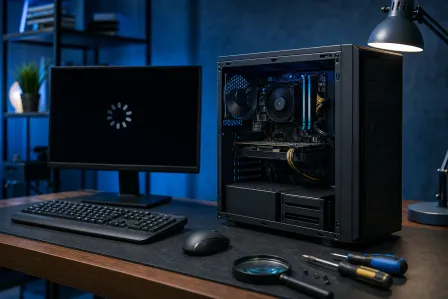
TL;DR: If your RTX 50 or RX 900 rig started crashing after a game patch or a driver hotfix, you are not alone. In 2026, 2026 gpu driver issues are often a combo of DX12 shader rebuilds, driver profile changes, and Windows graphics timeout recovery (TDR) tripping under load. The clutch fixes are usually a clean driver install (DDU), shader cache reset, and a quick stability sanity check (temps, power, BIOS/PCIe settings).
Why RTX 50 and RX 900 driver updates can feel “cracked” (in a bad way) in 2026
Alright squad, let’s talk reality. New GPU generations are absolute beasts, but the software layer is where the chaos can creep in. Driver hotfixes drop fast when big games ship patches, and those changes can be the difference between butter smooth gameplay and a rage-inducing desktop yeet.
Here’s what’s happening under the hood in 2026:
- DX12 pipelines and shader compilation get rebuilt after patches, which can trigger stutter or instability until caches settle.
- Driver profiles (game-specific optimizations) can change overnight, and sometimes they clash with your current settings or overlays.
- Windows TDR timeout can trip if the GPU takes “too long” to respond during a spike (shader compile, ray tracing scene change, heavy streaming).
- Overclocks that were stable yesterday can become shaky after a driver update because boosting behavior and voltage curves can shift slightly.
And no, this is not an “AMD bad” or “NVIDIA bad” thing. Both teams ship bangers, and both teams ship the occasional “why is my screen black” moment. GG.
Common 2026 GPU driver issues: DX12 crashes, black screens, and driver timeout errors
If your symptoms match any of these, you’re in the right arena:
- RTX 50 series game crashes right after launching a DX12 title, or when entering a new area.
- RX 900 series driver timeout messages mid-match (the classic “driver timed out and was reset” vibe).
- Black screen, then recovery, then your game closes like it rage quit for you.
- Hard freeze during shader compilation or the first few minutes after a patch.
- Stutter spikes that feel like 1% lows fell off a cliff (hello, shader cache stutter).
DX12 crash fix basics: why DX12 is usually the “stress test” path
DX12 pushes more responsibility to the game engine and driver stack. That can mean better performance when everything is tuned, but it can also expose instability faster than DX11. If you crash in DX12 but DX11 runs fine, that’s a huge clue: you’re likely dealing with shader compilation, driver state, or a borderline stability issue (power, temps, or overclock).
Shader cache stutter: why your FPS is high but the game feels awful
This one is sneaky. You can be averaging high FPS, but the game feels like it’s stepping on LEGO bricks. That’s usually shader compilation and caching. After a patch or driver update, caches can invalidate, and your system rebuilds them while you play. The result: stutters, hitching, and the dreaded “my rig was fine yesterday.”
RTX 50 vs RX 900 driver branches: what to pick for stability
Drivers are not just “newer is better.” They’re more like loadouts. You pick the one that matches your mission: competitive gaming, content creation, or maximum stability.
NVIDIA Game Ready vs Studio: which is more stable for RTX 50?
NVIDIA typically offers two public driver tracks: Game Ready and Studio. Game Ready is tuned around day-one game support and rapid optimizations. Studio is aimed at creative apps and tends to prioritize stability and validation cycles.
My Hank take: If you’re crashing in a specific DX12 title and you don’t need day-one optimizations, trying the Studio driver can be a legit stability move. If you’re chasing ranked and want the newest game profile ASAP, Game Ready is the play, but be ready to troubleshoot if a hotfix gets spicy.
AMD Adrenalin stability: what matters for RX 900 timeouts
AMD’s Adrenalin software bundles the driver plus tuning, overlays, and features. It’s powerful, and when it’s dialed, it’s a straight-up banger. But if you’re seeing RX 900 series driver timeout errors, the fastest path is to reduce variables: clean install, minimal extras, and confirm your tuning is stable.
Key point: A driver timeout is not always “the driver’s fault.” It can also be borderline GPU stability (boost spikes), power delivery, or thermals causing the GPU to stop responding long enough for Windows to reset it.
Step-by-step: the safe troubleshooting stack that actually stops crashes
We’re going to fix this like builders, not like gamblers. Change one thing at a time, test, then move on. This is how you go from “it runs” to “it FLIES.”
1) Clean driver install DDU (the gold standard reset)
If you do only one thing, do this. A clean driver install (DDU) wipes leftover driver components, old profiles, and corrupted bits that normal uninstallers can leave behind.
- Download your next driver installer first (so it’s ready offline if needed).
- Use Display Driver Uninstaller (DDU) in Windows Safe Mode.
- Remove the GPU driver package completely.
- Reboot and install the fresh driver.
Pro tip: After a clean install, avoid stacking extra variables immediately (overlays, aggressive overclocks, beta tools). Get stable first, then go cracked.
2) Reset shader caches to kill shader cache stutter
After major game patches or driver swaps, shader caches can become outdated or corrupted. Clearing them forces a rebuild. Expect some shader compilation stutter briefly after reset, but it should settle into smoother 1% lows.
Also check the game itself. Many modern titles compile shaders on first launch after an update. Let it finish. Don’t alt-tab spam it like a maniac while it’s building.
3) Check Windows TDR timeout behavior (don’t just “increase it” blindly)
Windows has a protection mechanism called Timeout Detection and Recovery (TDR). If your GPU doesn’t respond quickly enough, Windows resets the driver to prevent a full system lock. That’s why you see “driver timeout” style errors.
Sometimes TDR triggers because the GPU is genuinely hung. Sometimes it triggers because the GPU is under a heavy one-time load spike (like shader compilation). The correct move is to stabilize the system first: clean driver, stock clocks, good temps, verified power. If you want official Windows troubleshooting guidance, start with Microsoft Support resources for Windows troubleshooting.
4) Verify power, temps, and “too spicy” overclocks
Overclocking is an art form, but driver updates can shift boosting behavior. That means an OC that was “stable enough” can suddenly start throwing DX12 crashes or timeouts.
- Temporarily return GPU and RAM to stock (yes, even XMP/EXPO) and test.
- Watch GPU hotspot temps and overall GPU temps under load.
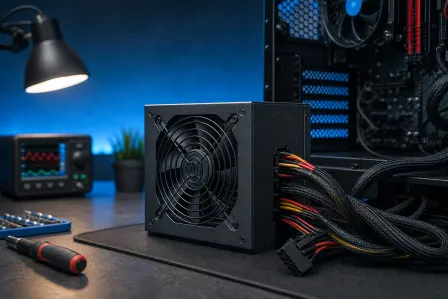
- Check your PSU headroom. High-end GPUs can spike power draw fast.
If reverting to stock fixes it, congrats: you found the culprit. Now you can re-tune with a slightly lower clock, a cleaner undervolt, or better fan curves.
5) BIOS and PCIe sanity checks (fast wins)
These are quick checks that can save hours:
- Update motherboard BIOS if you’re behind (stability improvements are common).
- Reseat the GPU and check power connectors are fully seated.
- Confirm PCIe settings are on Auto unless you have a specific reason to force a generation.
- Disable experimental tweaks you forgot you enabled (you know who you are, my fellow tweakers).
When it’s not “just drivers”: signs you need stability testing after a GPU upgrade
Here’s the big truth bomb: driver crashes can be a symptom, not the disease. If you upgraded to RTX 50 or RX 900 and now your system is unstable, you may be dealing with:
- Marginal PSU or aging power delivery
- Thermal issues (case airflow, dried paste, hotspot spikes)
- Unstable RAM settings
- Storage hiccups or corrupted system files
- Background software conflicts (overlays, monitoring tools, RGB suites)
And yes, malware or unwanted software can also cause weird instability. If your system has random performance drops outside games, it’s worth scanning and cleaning. Start with trusted guidance like the Malwarebytes Blog guides for system stability and cleanup.
Bring-it-in symptoms (aka: stop suffering, let us bench it)
- Crashes persist after a clean DDU install and stock clocks
- Black screens that require a hard reboot
- WHEA errors, random restarts, or shutdowns under GPU load
- Temps or hotspot readings that spike fast
Gaming PC repair in Palm Beach County: how Fix My PC Store helps you get back to “GG ez”
If you’re in West Palm Beach or anywhere in Palm Beach County, we can take the guesswork out of it. At Fix My PC Store, we don’t just reinstall drivers and pray. We validate your rig like it’s heading into a tournament.
Here’s what we typically do for crash-and-timeout cases:
- Clean driver workflow (DDU reset, correct driver selection, minimal conflict setup)
- Stability testing under real GPU and CPU load to reproduce the crash
- Thermal and power checks to catch hotspot spikes and PSU issues
- BIOS/firmware verification and safe settings tuning
- Game-specific troubleshooting (DX12 vs DX11 toggles, shader rebuild behavior, overlay conflicts)
If you need hands-on help, hit our gaming PC computer repair service page and we’ll get you stable. If the problem is on a portable battlestation, our laptop repair for gaming laptops option is there too. And if you’re mid-grind and just need someone to walk you through the clean install and settings checks, our remote support for PC troubleshooting can be a lifesaver.
Local service areas we cover
We help gamers across Palm Beach County, including West Palm Beach, Palm Beach Gardens, Lake Worth, Boynton Beach, Delray Beach, Jupiter, and Wellington. If your rig is crashing, we’ll help you get back to butter smooth gameplay without the drama.
My “no panic” checklist you can run in 15 minutes
- Reboot (yes, actually reboot, not sleep mode)
- Turn off overlays temporarily (Discord, recording, performance overlays)
- Set GPU to stock clocks and power limits
- Test DX11 vs DX12 (if the game supports it)
- If still crashing: schedule a DDU clean install session
Do that, and you’ve already played this smarter than 90% of the internet comments section. Poggers.
Ready to Upgrade Your Gaming Rig?
Get expert gaming PC builds, upgrades, and repairs from Palm Beach County's performance specialists.
Level Up Now