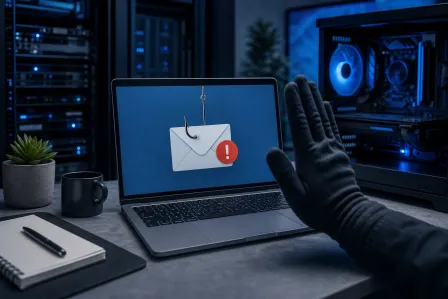
Ransomware Recovery 2026: Step-by-Step SMB Survival Plan
Listen to this article
TL;DR: Ransomware is hitting small businesses harder than ever in 2026, and most of them have no plan. This guide walks you through exactly what to do before an attack happens, what to do in the first 60 minutes after you realize you've been hit, and how to get your business back on its feet without handing criminals a check. Read it now, before you need it.
Why Small Businesses Are Still Getting Hammered by Ransomware
Look, I'm not going to sugarcoat this. Ransomware isn't some exotic threat that only hits hospitals and government agencies. I've seen it take down a two-person accounting office in Boynton Beach. I've seen it lock up a family-owned auto parts shop in Lake Worth. Small businesses are targets precisely because they're small. Less IT staff. Weaker defenses. More likely to just pay and hope for the best.
Criminals know this. They've known it for years. And in 2026, the tools they're using are cheaper and nastier than ever. Ransomware-as-a-service is a real thing - bad actors can basically rent an attack kit the way you used to rent a VCR at Blockbuster. Except this one destroys your business instead of playing a movie.
The good news? A solid ransomware recovery plan doesn't require a Fortune 500 IT budget. It requires preparation, discipline, and knowing what to do when things go sideways. That's what this guide is for.
Step One: Build Your Ransomware Prevention Foundation First
I know, I know. You came here because something might already be on fire. But if it isn't yet, stop reading for a second and pay attention to this section. Because cleaning up after ransomware is ten times harder and more expensive than preventing it.
Patch Everything. Seriously, Everything.
Ransomware loves unpatched systems the way flies love a dumpster. Most successful attacks in 2026 are still exploiting vulnerabilities that have had patches available for months. Update Windows 10 and Windows 11 systems religiously. Update your browsers. Update your line-of-business software. Update your router firmware. Yes, even the router. Back in my day we thought dial-up connections were too slow for hackers to bother with. Now everything is a door if you leave it unlocked.
Set Up a Ransomware Backup Strategy That Actually Works
Here's the thing nobody tells you clearly enough: if your backup is connected to the same network that gets hit, your backup is also gone. Ransomware is smart. It hunts for mapped drives, cloud sync folders, and network shares. It will encrypt those too.
What you need is the 3-2-1 rule. Three copies of your data. Two different storage types. One copy stored completely offline or offsite. That offline copy - whether it's a rotated external drive kept in a drawer or a proper managed backup solution through a trusted IT partner - is your lifeline. Without it, you're negotiating with criminals. With it, you're just cleaning up a mess.
Don't just set up the backup. Test it. I cannot tell you how many business owners have confidently told me they have backups, only to discover the backup job failed six months ago and nobody noticed. A backup you've never tested is just a hope and a prayer.
Train Your People (Yes, This Is Your Job)
Most ransomware gets in through phishing emails. Someone clicks a link they shouldn't. Someone opens an attachment that looked like an invoice. You can have the best firewall money can buy and it won't matter if Dave in accounting clicks on "URGENT: Your FedEx package is waiting." Spend thirty minutes with your staff. Show them what phishing looks like. Tell them to call IT before they click anything suspicious. It's not glamorous advice, but it works.
Ransomware Attack Response: The First 60 Minutes
Okay. Something's wrong. Files have weird extensions. A ransom note is on the screen. Maybe things are just running strange and you've got a bad feeling. Here's what you do - and what you absolutely do not do.
Isolate First. Panic Later.
The single most important thing you can do in the first five minutes of a suspected ransomware attack is cut the infected machine off from everything else. Unplug the network cable. Turn off the Wi-Fi. Do not just "shut it down" and walk away - some ransomware is designed to accelerate encryption when it detects a shutdown. Get it off the network first.
If you have multiple machines and you're not sure which ones are affected, isolate them all. Yes, it's disruptive. It's less disruptive than watching the infection spread to every computer in the building while you try to figure out what's happening.
Do Not Pay the Ransom Yet
I know. The note says pay now or lose everything. It says your files will be deleted in 72 hours. It's designed to make you panic and act fast. That's the whole point. Take a breath.
Paying the ransom does not guarantee you get your files back. I've seen businesses pay and get nothing. I've seen businesses pay and get a decryption key that only works on half their files. Beyond that, paying funds the next attack - possibly on someone else in your industry, possibly on you again. Ransomware gangs keep lists of who paid.
Before you even think about paying, check Malwarebytes' ransomware resource center and the No More Ransom project. Free decryption tools exist for many known ransomware strains. You might not need to pay anything.
Call Your IT Support. Right Now.
This is not the time to try to Google your way through it. Call your IT partner. If you don't have one, call a reputable local shop. Our team at Fix My PC Store handles exactly this kind of incident response for small businesses across Palm Beach County - from West Palm Beach to Boca Raton to Jupiter. The faster you get a professional involved, the more options you have. For immediate help with an active infection, our virus and malware removal service is the right starting point.
Document Everything Before You Touch Anything
Take photos of the ransom note with your phone. Write down what you noticed and when. Document which machines seem affected. This matters for your insurance claim, for any law enforcement report, and for figuring out how the attack got in so you can prevent the next one. Yes, you should file a report. Contact the FBI's Internet Crime Complaint Center (IC3). It takes twenty minutes and it contributes to the bigger picture of tracking these criminal operations.
Data Recovery After Ransomware: Getting Back on Your Feet
Here's where having that offline backup makes you a hero instead of a victim. If your backup is clean and current, recovery is a process - not a catastrophe. Wipe the affected systems, reinstall clean operating systems, restore from backup, verify everything works. It's not fun, but it's survivable.
Verify Your Backups Are Clean Before You Restore
Do not restore from a backup that might have been made after the infection started. Ransomware can sit dormant in a system for days or weeks before it activates. You need to identify the earliest point at which you can be reasonably confident your data was clean, and restore from there. This is another reason why multiple backup points matter - not just one rolling backup, but versioned backups going back at least 30 days.
If you don't have clean backups and you're facing actual data loss, don't give up. Our data recovery specialists have tools and techniques that go beyond what standard ransomware removal can accomplish. It's not magic, and we won't promise what we can't deliver, but there are more options than most people realize.
Rebuild Securely, Not Just Quickly
The temptation after an attack is to get back online as fast as possible. I get it. Every hour of downtime costs money. But if you rush the rebuild and skip the security steps, you're setting yourself up for round two. Change every password. Audit who has access to what. Review your firewall rules. Check your email filtering settings. Consider multi-factor authentication on everything that supports it - and in 2026, that's most things.
Microsoft's official guide to protecting your PC from ransomware is actually a decent starting point for hardening Windows systems after an incident. It's not exciting reading, but neither is a second ransom note.
Business Continuity After Ransomware: The Bigger Picture
A real business continuity ransomware plan isn't just about recovering files. It's about keeping your business operational - even partially - while recovery is happening. That means knowing in advance: who makes decisions if the owner can't be reached? Which systems are truly critical versus which ones can wait? Do you have a way to communicate with employees and customers if your email is down?
Write this stuff down. One page. Keep a printed copy somewhere that isn't on your network. Old school? Sure. But I've been in the business long enough to know that a piece of paper in a desk drawer has never been encrypted by ransomware.
For Palm Beach County businesses that want a proper framework built before disaster strikes, our business cybersecurity services include incident response planning, security assessments, and ongoing monitoring. Think of it like smoke detectors and a fire extinguisher. You'd rather have them and not need them.
The Bottom Line on Ransomware in 2026
Ransomware is not going away. It's not getting less sophisticated. And the criminals behind it are specifically targeting businesses like yours because they know most SMBs are underprepared. That's the bad news.
The good news is that preparation genuinely works. Offline backups. Patched systems. Trained staff. A clear incident response plan. An IT partner who picks up the phone when things go wrong. None of this is complicated. None of it requires a massive budget. It just requires doing the work before you need it.
A good computer - like a good refrigerator - should just run quietly in the background and not demand your attention. When ransomware hits, it demands everything. Don't let it.
Worried About Your Security?
Get professional virus removal, security audits, and data protection from Palm Beach County's cybersecurity experts.
Secure Your System