PCIe 5.0 SSD Bottlenecks in Gaming PCs: What to Do in 2026
Listen to this article
TL;DR: PCIe 5.0 SSDs are the fastest consumer storage drives ever made - but in 2026, thousands of gamers are discovering their blazing-fast drives are actually hurting their gaming performance thanks to extreme heat throttling. If your high-end rig is stuttering, dropping frames, or just feeling sluggish despite top-tier specs, your Gen 5 SSD might be the culprit. Here's exactly what's happening, why it matters, and how to fix it.
The PCIe 5.0 SSD Promise vs. Reality in Gaming
Okay, let's talk about it. When PCIe 5.0 SSDs first hit the market, the hype was REAL. We're talking sequential read speeds pushing past 12,000 MB/s - that's not a typo. Twelve. Thousand. Megabytes. Per. Second. Compared to the PCIe 4.0 drives topping out around 7,000 MB/s, Gen 5 felt like strapping a rocket to your storage. Every PC builder worth their RGB lighting was drooling over these things.
Fast forward to 2026, and the reality check has arrived. Gamers across Palm Beach County and everywhere else are building or buying rigs loaded with these monster drives and then scratching their heads when their PCIe 5.0 SSD gaming performance doesn't match the spec sheet. Stutters in open-world games. Weird hitching during level loads. Occasional FPS drops that make no sense given the GPU and CPU sitting right there looking innocent.
Sound familiar? Yeah. We need to talk about thermal throttling.
Why PCIe Gen 5 SSDs Run So Hot - and Why That Kills Your FPS
Here's the thing about pushing 12,000+ MB/s through a drive the size of a stick of gum - physics doesn't care about your benchmark goals. The controllers powering these Gen 5 drives generate serious heat. We're talking sustained temperatures that can hit 70-80 degrees Celsius under load. Some drives have been clocked even higher than that.
When your NVMe SSD hits its thermal limit, it does what any smart piece of hardware does - it throttles itself to avoid permanent damage. The drive drops its speeds dramatically, sometimes falling all the way back to PCIe 3.0 territory or worse. And that's where your gaming experience goes sideways.
What Thermal Throttling Actually Looks Like in a Game
This is where it gets sneaky. Thermal throttling on an SSD doesn't always look like a storage problem. It looks like:
- Micro-stutters during open-world traversal when new assets stream in
- Long hitches when entering new areas or loading zones
- Unexpected FPS drops that don't correlate with GPU or CPU usage spikes
- Shader compilation delays in games that cache data aggressively
- Extended load times despite having a "fast" drive
If you're monitoring your GPU and CPU and they both look fine while your game stutters - check your SSD temps. That's your NVMe bottleneck hiding in plain sight.
You can verify your drive's health and temperature using tools referenced in Microsoft's official Windows 11 storage health and performance guide, or grab a dedicated utility like CrystalDiskInfo to monitor temps in real time.
The Biggest Causes of PCIe 5.0 Heat Throttling in Gaming Rigs
No Heatsink or an Inadequate Heatsink
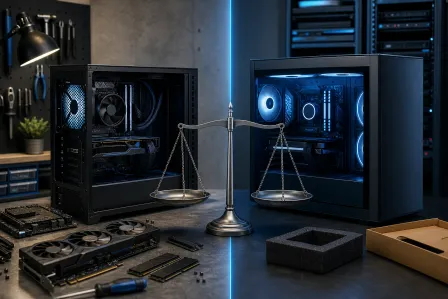
This is the number one offender. A lot of Gen 5 drives come with heatsinks included, but many builders skip them or use the thin little thermal pad that came in the box. For PCIe 4.0, that was often fine. For PCIe 5.0? Absolute disaster waiting to happen. These drives need proper, chunky heatsinks with real thermal mass to survive sustained gaming sessions. We're not talking about a decorative RGB fin - we're talking actual heat dissipation.
Poor Airflow Around the M.2 Slot
Even with a heatsink, if your case airflow is garbage, you're just moving hot air around. M.2 slots on many modern motherboards are tucked under GPU shrouds or in spots where case airflow barely reaches. Your Gen 5 SSD is sitting there cooking and there's nowhere for the heat to go.
BIOS Settings Not Optimized for the Drive
This one surprises people. Some motherboards don't automatically enable all the power management features that help regulate NVMe thermals. Certain BIOS settings around PCIe link speed, power states, and M.2 slot configuration can make a huge difference. Running your Gen 5 drive in a slot that's actually wired for PCIe 4.0 because of lane sharing - yeah, that's a whole other conversation about wasted potential and mismatched configs.
Sustained Workloads Beyond Gaming
If you're gaming and running background tasks - game recording, streaming, large file operations - your SSD is getting hammered from multiple directions simultaneously. That sustained load is exactly when thermal throttling kicks in hardest. Check out Tom's Hardware's SSD benchmark comparisons to see how dramatically speeds can drop under sustained load versus burst tests.
How to Fix PCIe 5.0 SSD Thermal Throttling in Your Gaming PC
Alright, enough problem talk. Let's get to the fixes because this is absolutely solvable. Your Gen 5 SSD CAN be the beast it was meant to be.
Step 1: Install a Quality Aftermarket Heatsink
If your drive didn't come with a heatsink, or the included one is underwhelming, get a proper aftermarket M.2 heatsink. Look for options with copper heat pipes and solid aluminum fins. Some builders are even running small 40mm fans directly over their M.2 slots in extreme cases. Apply fresh thermal pads (not paste - pads) between the drive and heatsink for proper contact. This single fix alone can drop your SSD temps by 15-20 degrees Celsius. That's not a small number - that's the difference between throttling and flying.
Step 2: Optimize Your Case Airflow
Your whole system airflow matters here. Make sure you have positive or neutral pressure in your case, with intake fans pushing cool air across your components. If your M.2 slot is buried under your GPU, consider whether a different slot position (if your board allows it) would give better airflow. Sometimes moving the drive to a different M.2 slot changes everything - just make sure it's still a PCIe 5.0 slot and not a slower one.
Step 3: Dial In Your BIOS Storage Settings
This is where it gets fun for the enthusiasts. Head into your BIOS and verify your M.2 drive is actually running at PCIe Gen 5 speeds. Check that NVMe power management features are enabled properly. Some boards have specific settings for M.2 slot cooling or thermal throttle thresholds you can adjust. If you're not comfortable navigating BIOS settings, this is exactly the kind of thing our team handles during a gaming PC optimization and computer repair service - we validate your full storage configuration and make sure nothing's being left on the table.
Step 4: Monitor and Validate Real-World Performance
After your fixes, don't just run a quick benchmark and call it done. Run sustained benchmarks that simulate real gaming workloads. Watch your SSD temps over a 15-20 minute period. If temps stabilize below 60 degrees Celsius under load, you're in great shape. If they're still climbing past 70, there's more optimization to do.
What About Laptop Gamers with PCIe 5.0 SSDs?
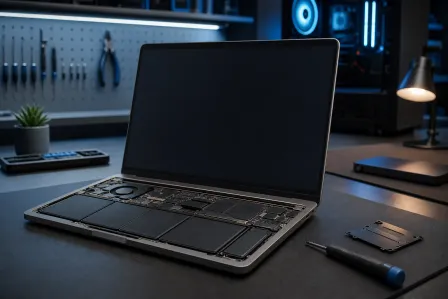
Oh yeah, we haven't forgotten about you laptop warriors. High-end gaming laptops in 2026 are packing Gen 5 SSDs too, and the thermal situation is even more critical in a confined chassis. Laptop thermals are already a constant balancing act, and adding a hot Gen 5 drive to the mix can push things over the edge fast.
If you've got a gaming laptop that's stuttering or throttling, the fixes are different - you can't just slap an aftermarket heatsink on it. Repasting the system, optimizing thermal pads on the SSD, adjusting power profiles, and ensuring proper ventilation are all part of the equation. Our laptop repair and optimization service specifically addresses thermal throttling issues in gaming laptops - it's one of the most common things we see walk through the door right now.
Can't Make It In? Remote Diagnosis Is a Thing
Not everyone can drop their rig off for service, and sometimes you just need expert eyes on your system configuration without the hassle. Good news - a lot of the diagnostic work for SSD throttling issues can actually be done remotely. Checking your monitoring data, analyzing benchmark results, walking through BIOS settings together - our remote support service can help you identify whether your Gen 5 SSD is actually throttling and what the best fix path looks like for your specific build. Clutch option if you're in Boca Raton, Boynton Beach, or anywhere across Palm Beach County and can't make the trip to West Palm Beach.
Is a PCIe 5.0 SSD Even Worth It for Gaming in 2026?
Okay, real talk - and I'm going to give you the honest answer even if it's not the hype answer. For pure gaming performance, the raw speed difference between a well-configured PCIe 4.0 drive and a PCIe 5.0 drive is often not game-changing in terms of FPS. Games don't typically saturate even PCIe 4.0 bandwidth in normal operation.
BUT - and this is a big but - if you're also doing content creation, game development, large file work, or you just want the absolute best storage foundation for your rig, Gen 5 is absolutely worth it when configured correctly. The key phrase there is configured correctly. An improperly set up PCIe 5.0 SSD that's constantly throttling will actually perform worse than a properly configured PCIe 4.0 drive. That's the whole point of this article.
Get it right, and your Gen 5 SSD becomes a genuine monster. Get it wrong, and you've paid premium prices for a drive that's choking itself out. GG to no one in that scenario.
Ready to Upgrade Your Gaming Rig?
Get expert gaming PC builds, upgrades, and repairs from Palm Beach County's performance specialists.
Level Up Now