How Ransomware Works and Backups Protect You
Listen to this article
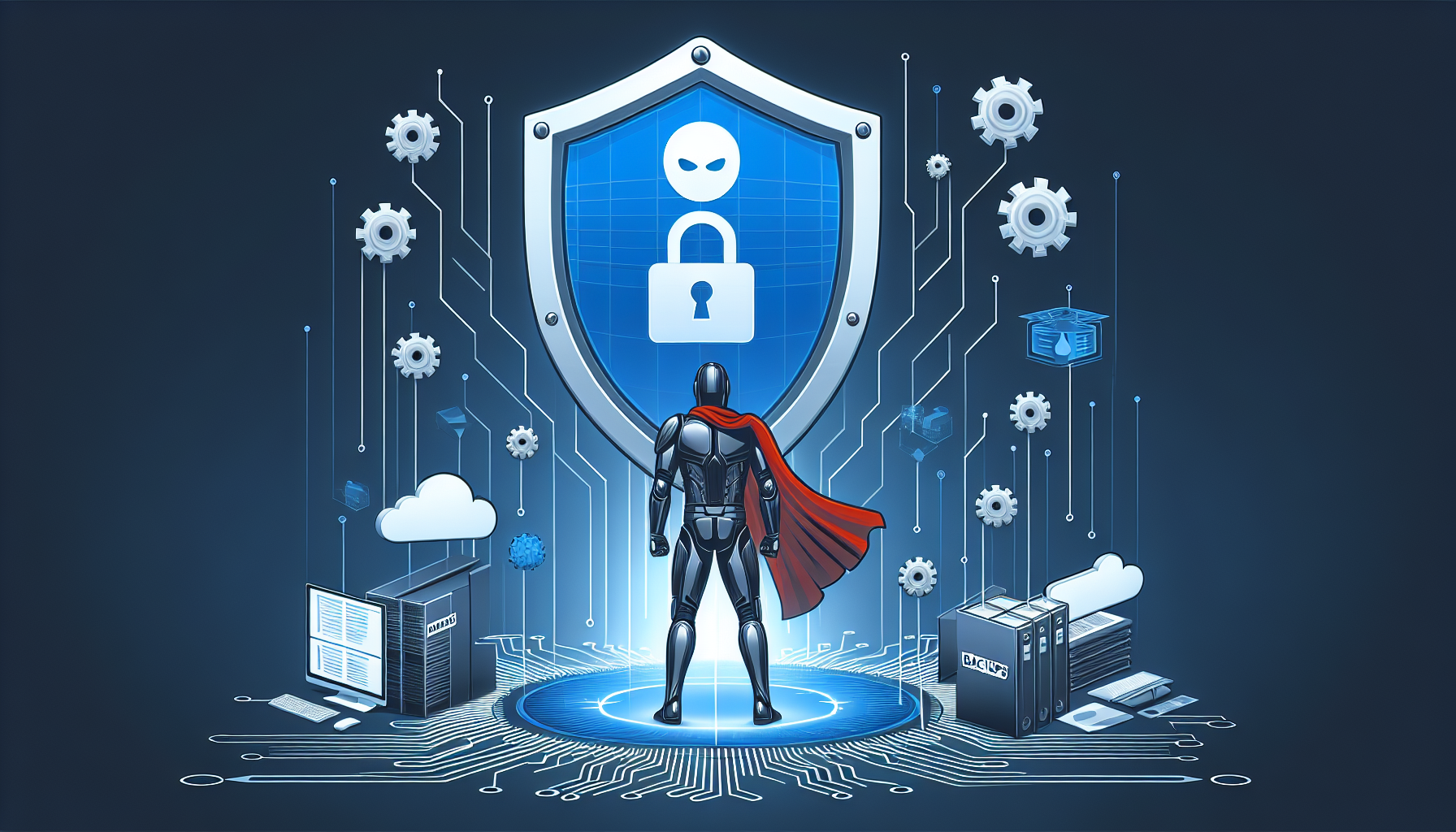
Ransomware has become one of the most feared words in computing. These malicious programs encrypt your files and demand payment for the decryption key, holding your personal memories, important documents, and essential data hostage. The attacks have affected hospitals, schools, businesses, and countless individuals. While there is no perfect defense against ransomware, understanding how these attacks work reveals why maintaining proper backups is your best defense against even the most sophisticated ransomware threats.
The ransomware threat has evolved dramatically over the years. What began as relatively simple attacks has become a sophisticated criminal industry generating billions of dollars annually. According to the Cybersecurity and Infrastructure Security Agency (CISA), ransomware remains one of the most significant cybersecurity threats facing organizations and individuals today. Understanding this threat helps you appreciate the importance of preparation and the central role backups play in your defense strategy.
How Ransomware Infects Systems
Ransomware must first gain access to your system before it can encrypt your files. Understanding the common infection methods helps you avoid becoming a victim in the first place, though no prevention is foolproof.
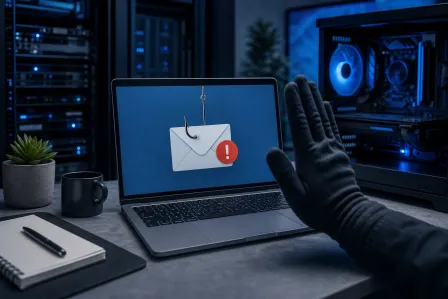
Phishing emails remain the most common ransomware delivery mechanism. These deceptive messages appear to come from legitimate sources like banks, shipping companies, or even colleagues. They contain malicious attachments or links to infected websites. A single click by an unsuspecting user can initiate the infection chain.
The sophistication of phishing attacks has increased dramatically. Modern attacks use information gathered about targets to craft convincing, personalized messages. They may reference real projects, use appropriate business terminology, and appear to come from familiar senders. Even security-conscious users can be fooled by well-crafted phishing attempts.
Exploit kits take advantage of vulnerabilities in outdated software. When you visit a compromised or malicious website, these kits probe your system for known vulnerabilities. If found, they exploit these weaknesses to install ransomware without any action beyond visiting the website. Keeping software updated closes these vulnerabilities.
Remote desktop protocol attacks target systems with remote access enabled. Attackers scan the internet for systems with RDP exposed and attempt to gain access through password guessing or stolen credentials. Once inside, they can install ransomware directly. This attack method has become especially common as remote work has expanded.
The Encryption Phase
Once ransomware gains access to a system, it typically operates in stages designed to maximize damage before the victim realizes what is happening. Understanding this process explains why response time is critical and why backups are essential.
Initial infection may be silent. The ransomware establishes itself on the system but may not begin encryption immediately. This delay allows the malware to spread to other systems on the network, disable backup systems, and prepare for maximum impact.
Discovery and targeting occur as the ransomware scans the system and network for valuable files. Documents, spreadsheets, databases, photos, and other important file types are identified for encryption. Some ransomware specifically targets backup files and backup software to prevent easy recovery.
Encryption transforms your files into unreadable data. The ransomware uses strong cryptographic algorithms to encrypt each targeted file. Without the decryption key held by the attackers, decryption is effectively impossible. The encryption process may take minutes or hours depending on the volume of data.
The ransom demand appears once encryption is complete. Typically, this involves changing your desktop wallpaper, displaying a ransom note, and providing instructions for payment. Demands usually specify payment in cryptocurrency within a limited time frame, with threats of permanent data destruction or increased ransom if deadlines pass.
Why Paying the Ransom Is Problematic
Faced with encrypted files and no backup, many victims consider paying the ransom. However, this option is problematic for several reasons beyond the immediate financial cost.
Payment does not guarantee recovery. While many ransomware operators do provide decryption tools after payment because their business model depends on victims believing payment works, not all do. Some take payment and disappear. Some provide faulty decryption tools that fail to recover files correctly. There is no recourse when dealing with criminals.
Payment funds criminal enterprises. Ransom payments provide resources for continued attacks on other victims. The billions of dollars flowing to ransomware operators enable them to develop more sophisticated attacks, hire more skilled criminals, and target more victims. Paying perpetuates the problem.
Payment marks you as a target. Victims who pay become attractive targets for future attacks because they have demonstrated willingness and ability to pay. Some victims experience multiple ransomware incidents, partly because their previous payment signaled they would pay again.
Given these problems with payment, effective backup represents the only reliable path to recovery from ransomware. Backups allow you to decline the ransom demand, restore your data, and resume operations without funding criminal activity or trusting criminals to honor their word.
How to Protect Against Ransomware
Step 1: Implement the 3-2-1 Backup Rule
Maintain at least three copies of your data, on at least two different types of storage media, with at least one copy stored off-site. This approach protects against ransomware, hardware failure, theft, fire, and other disasters.
Step 2: Use Air-Gapped Backups
Keep at least one backup completely disconnected from your computer and network. An external drive that is only connected during backup operations and then stored safely provides protection that always-connected backups cannot. When disconnected, this drive is invisible to any ransomware on your system.
Step 3: Keep All Software Updated
Install security updates promptly for your operating system, browsers, and all applications. Many ransomware attacks exploit known vulnerabilities that have available patches. Keeping software updated closes these entry points.
Step 4: Train on Phishing Recognition
Since many ransomware infections begin with a phishing email, learning to recognize and avoid these threats reduces infection risk significantly. Be skeptical of unexpected emails, especially those with attachments or links.
Step 5: Test Backup Restoration
A backup that cannot be restored is worthless. Periodically test your backups by actually restoring files to verify the process works. Problems discovered during testing are far better than problems discovered during a real emergency.
Responding to Ransomware
If you suspect ransomware infection, immediate proper response can limit damage.
Disconnect from the network immediately. This prevents the ransomware from spreading to other systems and may interrupt encryption in progress.
Do not pay the ransom. As discussed, payment does not guarantee recovery and creates additional problems.
Seek professional help. Our malware removal experts can help remove the infection and assess recovery options. If you have backups, restoration can begin once the system is cleaned.
Report the attack. Reporting to law enforcement and organizations like CISA helps track ransomware groups and may contribute to eventual takedowns.
Frequently Asked Questions
Should I pay ransomware demands?
No. Payment does not guarantee recovery, funds criminal enterprises, may violate regulations if attackers are sanctioned entities, and marks you as a future target. Proper backups are the only reliable recovery path.
Can ransomware be removed?
The ransomware malware itself can be removed from your system. However, this does not decrypt already-encrypted files. Without the attacker's decryption key, encrypted files cannot be recovered except from backups.
How common is ransomware?
Very common and increasing. Ransomware attacks occur every 11 seconds globally. Businesses and individuals of all sizes are targeted. No organization is too small or too large to be at risk.
Can antivirus stop ransomware?
Antivirus can block known ransomware variants but cannot guarantee protection against new or modified versions. Defense requires multiple layers including user awareness, proper backups, and current security software.
Worried About Ransomware Protection?
Let us assess your backup strategy and security posture. Preparation now prevents disaster later.
Get a Security AssessmentFor professional ransomware protection and recovery in West Palm Beach and throughout Palm Beach County including Boca Raton, Delray Beach, and Wellington, Fix My PC Store provides expert security services. We offer malware removal, data recovery, and backup implementation services.