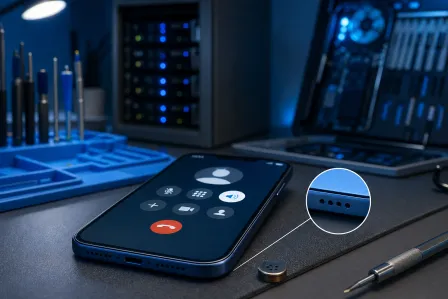
Qi2.2 Wireless Charging in 2026: Why Some Phones Won’t Charge
Listen to this article
TL;DR: In 2026, Qi2.2 wireless charging and magnetic chargers are super common, but “it charges for a minute then stops,” slow charging, and overheating are even more common. Most of the time it’s alignment, a too-thick case, a sketchy magnetic accessory, or debris. Sometimes it’s a real hardware issue like a damaged wireless charging coil, battery health problems, or thermal sensor shutoffs that need proper testing.
Look, I’m not judging your 8-hour screen time report. Okay, maybe a little. But I am judging the raw bravery of people who slap a phone onto a magnetic puck with a chunky case, a metal ring, a wallet attachment, and then act surprised when it gets hotter than a Florida parking lot. Let me save you a headache.
Qi2.2 wireless charging basics: what’s normal vs. what’s not
Wireless charging has always been a little pickier than plugging in a cable. With Qi2.2 wireless charging and the rise of magnetic alignment accessories, it’s easier to line up the coils, but it’s not magic. It’s physics. And physics does not care how expensive your phone was.
Normal wireless charging behavior you shouldn’t panic about
- Warm is normal. Wireless charging is less efficient than wired, so some heat is expected.
- Charging slows near 80-90%. Many phones manage charging speed to protect battery longevity.
- Charging pauses briefly. If the phone gets warm, it may slow or pause to cool down.
Not normal: signs something is actually wrong
- “Charges for a minute then stops” repeatedly, even after repositioning.
- Overheating while wireless charging to the point the phone warns you or stops charging.
- Only charges on some pads but not others, especially if it used to work fine.
- Wireless charging works only without a case (or only if you press it down).
If you’re seeing those, you’re in the sweet spot where a few checks can fix it, or a quick bench test can confirm a repairable fault.
MagSafe-compatible charging issues and Qi2 charger compatibility headaches
Let’s clear up a myth I see all the time: “Magnetic” does not automatically mean “compatible.” A magnet can help alignment, but charging still depends on coil position, case thickness, materials, and the phone’s own thermal and power management.
Why your phone sticks magnetically but still won’t charge
Here’s the usual lineup:
- Misaligned coils: The magnet grabs, but the charging coil is still off-center. That means poor power transfer, extra heat, and dropouts.
- Accessory stacking: Magnetic wallets, metal rings, grips, and plates can block or distort the charging field.
- Case thickness: Thick or rugged cases add distance between coils. Wireless charging hates distance.
- Charger power negotiation quirks: Some phones and chargers are picky about how power ramps up, especially if the phone is warm or the battery is older.
Android vs iOS? I’ll fix ’em both. But both camps do the same thing: they buy a charger because it “looks like” the one their friend has, then wonder why their phone acts like it’s on a wireless charging hunger strike.
Quick compatibility reality check (without getting lost in marketing)
- Use a reputable Qi-certified charger when possible, not a mystery puck from the bottomless internet bin.
- Match your phone’s supported wireless wattage expectations. If your phone supports faster wireless charging, it still might slow down if heat builds up.
- Magnetic alignment helps, but doesn’t guarantee charging if the case or accessory interferes.
For the official standards side of things, the Wireless Power Consortium knowledge base is a solid reference for how Qi charging is supposed to behave.
Phone not charging on wireless charger: the at-home checklist (do this first)
I see this all the time: someone assumes the phone is “dead” because wireless charging stopped. Then they keep trying, it heats up, and now we’ve got a battery that’s extra stressed. Let me save you a headache with a clean, safe checklist.
Step 1: Remove the case and any magnetic accessories
Yes, even the wallet. Even the ring. Even the “it’s thin, it shouldn’t matter” case. For testing, go naked (the phone, not you).
- Remove the case
- Remove magnetic wallets, grips, and metal rings
- Try charging again
If it suddenly works, you’ve got case and accessory interference. The fix might be as simple as switching to a wireless-charging-friendly case or ditching the metal add-ons.
Step 2: Clean the back of the phone and the charger surface
Wireless chargers don’t love crumbs, sand, makeup powder, or whatever is living in the bottom of your bag. Debris can create a tiny gap that ruins alignment and increases heat.
- Wipe the charger and phone back with a microfiber cloth
- If needed, use a small amount of 70% isopropyl alcohol on the cloth (not dripping)
Step 3: Reposition slowly and test orientation
Don’t just toss it on the pad like a poker chip. Place it, slide slightly, and watch for the charging indicator to stay stable for 60-120 seconds.
- Center the phone on the pad
- Try rotating 180 degrees (some coil layouts behave differently)
- Test for at least 2 minutes
Step 4: Try a different power adapter and outlet
Lots of “wireless charger problems” are actually power adapter problems. If the adapter can’t supply stable power, the pad will negotiate, fail, renegotiate, fail again. That looks like “charges for a minute then stops.”
- Use a known-good wall adapter from a reputable brand
- Avoid charging from a weak laptop/desktop USB port for troubleshooting
Step 5: Let the phone cool down
Heat is the enemy of wireless charging. If the phone is already warm from gaming, GPS, video calls, or doomscrolling (I’m not judging your screen time report... much), wireless charging may throttle or stop.
- Remove the case
- Stop heavy apps for 10-15 minutes
- Try again in a cooler spot
Apple also notes that temperature can affect charging behavior. This is worth reading if your iPhone throws temperature warnings: Apple guidance on temperature and charging behavior.
Overheating while wireless charging: why it happens and how to prevent damage
Wireless charging creates heat from inefficiency. That’s normal. What’s not normal is when the phone gets hot enough to stop charging frequently, display temperature alerts, or feel uncomfortable to hold. That’s your phone protecting itself, and it’s doing you a favor.
Common causes of overheating on Qi-style chargers
- Misalignment: The charger works harder, producing more heat for less power.
- Thick cases: Distance increases losses.
- Metal accessories: Can disrupt the charging field and trap heat.
- Charging + heavy use: Video calls, navigation, gaming while charging.
- Battery health issues: Older or stressed batteries can run warmer during charging.
What to do if your phone overheats on a wireless charger
- Stop charging immediately if you get a temperature warning.
- Remove the case and let the phone cool on a hard surface.
- Switch to wired charging temporarily if you need power urgently (wired is usually more efficient and cooler).
- Don’t put it in the fridge. Condensation is how water damage stories begin. I’ve rescued phones from toilet bowls, washing machines, and yes, “it was just a little moisture.”
Wireless charging coil repair: when it’s not the charger, it’s the phone
If you’ve tried the checklist and wireless charging is still flaky, the culprit may be inside the phone. The wireless charging system includes the coil, shielding, connection points, and the logic that monitors temperature and power transfer. When any of that is compromised, you get classic symptoms like:
- Intermittent charging
- Very slow charging
- Charging stops when the phone is bumped
- Overheating even with a thin case
How coils get damaged (aka the “I didn’t drop it that hard” chapter)
- Drops and impacts: Even if the screen survives, internal parts can shift or crack.
- Liquid exposure: Corrosion can affect coil connections.
- Aftermarket back glass repairs done poorly: Misplaced parts, pinched flex cables, weak connections.
- Heat stress: Repeated overheating can degrade components over time.
And yes, I’m going to sigh about phone cases for a second. A good case is cheaper than a repair. My retro flip phone collection is judging you right now.
What we test in-shop to restore reliable wireless charging
At Fix My PC Store, we don’t just guess. We test. Especially when someone says, “It only charges on that one pad at my friend’s house if I balance it perfectly.”
- Wireless charging coil function: Confirm stable power transfer and rule out coil or connection faults.
- Battery health and charging behavior: A degraded battery can cause heat and throttling.
- Thermal sensor behavior: If the phone thinks it’s overheating, it will stop charging even if it feels only warm to you.
- Foreign material and back housing condition: Warped back glass, debris, or mis-seated components can ruin alignment.
If you’re on iPhone and wireless charging is acting up, start here: iPhone wireless charging repair and diagnostics. For Samsung and other Android devices, this is the right lane: Samsung wireless charging troubleshooting and repair. If you’re not sure what you’ve got (or you’ve got multiple devices in the household, because of course you do), use our umbrella service page: smart device repair.
Android wireless charging troubleshooting vs. iPhone: what’s different?
Both platforms manage heat and battery protection aggressively, but they can behave a little differently depending on the model, charger, and accessories.
iPhone wireless charging quirks I see all the time
- Accessory interference: Magnetic wallets and ring adapters are frequent troublemakers.
- Heat-based slowdowns: iPhones will reduce charging speed when warm to protect the battery.
- Alignment sensitivity: Small misalignment can cause stop-start charging.
Android wireless charging quirks (especially on larger phones)
- Coil placement differences: Some models have coils positioned in ways that make certain pads finicky.
- Case thickness and camera bump: Big camera bumps can prevent flat contact, causing misalignment and heat.
- Brand-specific fast wireless modes: Some faster modes may require specific chargers and conditions, and will drop to slower charging if anything is off.
Bottom line: the symptom is the same - phone not charging on wireless charger - but the fastest fix depends on the device and accessory combo.
Palm Beach County wireless charging repair: when to stop troubleshooting and get it tested
If you’re in West Palm Beach or anywhere around Palm Beach County (Palm Beach Gardens, Lake Worth Beach, Wellington, Royal Palm Beach, Jupiter, Boynton Beach), here’s when it’s time to bring it in:
- You’ve tried multiple chargers and multiple power adapters with the same result
- Wireless charging stops randomly even with no case
- The phone overheats quickly during wireless charging
- The phone recently had a drop, back glass damage, or liquid exposure
- You need wireless charging for your car mount or desk setup and it has to be reliable
What you should NOT do (if you like your phone)
- Don’t keep re-trying a setup that overheats. Heat accelerates battery wear.
- Don’t wedge objects to “hold it in place.” Pressure can crack back glass and worsen alignment.
- Don’t assume it’s “just software.” Sometimes it is, but intermittent wireless charging is often physical: coil alignment, damage, or interference.
If your wireless charging issues are happening on an iPad too (yes, I see plenty of charging and port issues on tablets), we handle that as well: iPad repair and charging diagnostics.
My quick “wireless charging sanity rules” for 2026
- Thin case wins. If you want wireless charging reliability, keep it slim and wireless-friendly.
- One accessory at a time. Wallet plus ring plus metal plate is a recipe for heat.
- Cool environment matters. Heat + wireless charging = slow charging or stop-start behavior.
- Quality charger matters. Stable power delivery prevents dropouts.
- If it used to work and now it doesn’t, assume damage or wear until proven otherwise.
Need Expert Mobile Device Repair?
Get professional iPhone, iPad, and Samsung repair from Palm Beach County's trusted mobile device specialists.
Get Device Help