Protect Your Personal Data on Home Computers
Listen to this article
Your personal computer contains a remarkable amount of sensitive information. Financial records, personal correspondence, photographs, passwords saved in browsers, tax documents, and countless other pieces of personal data reside on your hard drive. For many people, their home computer is a comprehensive archive of their personal and financial lives. Protecting this information from unauthorized access, theft, and loss is essential for your privacy, security, and peace of mind. Fortunately, effective protection does not require technical expertise. Understanding the threats and implementing straightforward defenses keeps your personal data safe.
The threats to personal data on home computers come from multiple directions. Malware can steal information directly. Hackers can gain remote access if security is weak. Physical theft of the computer takes everything with it. According to the Cybersecurity and Infrastructure Security Agency (CISA), implementing basic cybersecurity practices significantly reduces risk of data compromise. A comprehensive approach to personal data protection addresses all these concerns.
Understanding What You Are Protecting
Before implementing protections, consider what sensitive information exists on your computer. This inventory helps you understand the stakes and prioritize your protective efforts.
Financial information is often the most immediately sensitive data. Bank account numbers, credit card information, investment account details, and tax returns containing Social Security numbers all represent high-value targets for identity thieves. Even if you do not save passwords for financial sites, documents containing account numbers provide value to criminals.
Personal documents like passports, driver's licenses, and birth certificates are often scanned and stored on computers for convenience. These documents contain the identity information that criminals need to commit fraud in your name. While having digital copies is convenient, protecting them is essential.
Personal correspondence reveals far more than most people realize. Emails, messages, and documents contain references to family members, travel plans, personal habits, business relationships, and countless other details that sophisticated criminals can use for targeted attacks or identity theft.
Photographs and videos often contain sensitive personal moments and sometimes inadvertently capture documents, screens, or other sensitive information in the background. Beyond privacy concerns, photos can also be used for harassment or extortion if they fall into the wrong hands.
Saved passwords and login credentials represent the keys to your digital life. If a criminal gains access to your saved passwords, they can access every account you have saved credentials for, potentially causing widespread damage quickly.
Strong Passwords and Authentication
The first line of defense for any computer is controlling who can access it. Without proper access controls, anyone who gains physical or remote access to your computer can access everything on it. The National Institute of Standards and Technology (NIST) provides comprehensive guidelines for secure authentication practices.
Your computer login password should be strong and known only to you. Weak passwords like birthdays, simple words, or short number sequences provide minimal protection. A strong password uses a mix of characters, is not based on dictionary words or personal information, and is long enough to resist guessing attacks. Modern guidance suggests passwords of at least twelve characters, with longer being better.
Automatic login should be disabled. While entering your password each time you use your computer adds a minor inconvenience, it ensures that unauthorized users cannot simply power on your computer and access everything. Screen lock should activate automatically after a brief period of inactivity.
Password managers help you maintain strong, unique passwords for every account without the impossible burden of remembering them all. A password manager stores your credentials securely, protected by a single master password. You need only remember the master password; the manager fills in credentials for everything else.
Two-factor authentication adds a second layer beyond passwords for important accounts. Even if a criminal obtains your password, they cannot access accounts protected by two-factor authentication without also having access to your phone or authentication device. Enable this protection for financial accounts, email, and any other important services that offer it.
Antivirus and Security Software
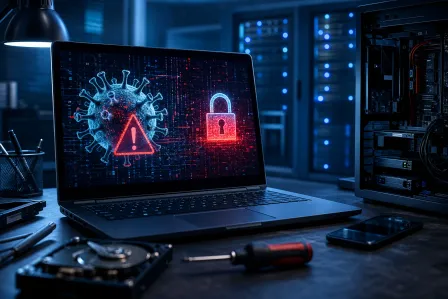
Malware represents a persistent threat to personal data. Viruses, spyware, ransomware, and other malicious software can steal information, provide criminals with remote access, encrypt your files for ransom, or cause other harm. Security software provides essential protection against these threats. If you're dealing with malware issues, our professional virus removal service can help clean your system completely.
Modern operating systems include built-in security features. Windows Defender provides baseline protection against malware and integrates with the operating system. For many users, keeping Windows Defender active and updated provides adequate protection when combined with safe computing practices.
Third-party security software offers additional features and may provide stronger protection against certain threats. Reputable security suites often include additional features like identity protection, VPN services, and enhanced firewall capabilities. Whether the additional protection justifies the cost and system overhead depends on your individual risk profile and preferences.
Regardless of what security software you use, keeping it updated is critical. Security software relies on constantly updated threat databases to recognize new malware. Software that has not been updated in weeks or months may not detect current threats.
Firewalls control what network connections your computer allows. Both Windows and Mac include built-in firewalls that block most unauthorized inbound connections by default. Ensuring these firewalls are enabled prevents many network-based attacks.
Software Updates and Patches
Software vulnerabilities are discovered constantly. When a vulnerability is found in your operating system, browser, or other software, attackers can exploit it to gain access to your computer or data. Software updates patch these vulnerabilities, closing the security holes before attackers can use them against you.
Enabling automatic updates for your operating system ensures that security patches are applied promptly. Windows Update and Mac Software Update can be configured to download and install updates automatically, though you may want to schedule restarts at convenient times.
Browsers receive frequent security updates and should be kept current. Most modern browsers update automatically, but verifying that updates are being applied is worthwhile. Using an outdated browser exposes you to known vulnerabilities that attackers actively exploit.
Other software on your computer also needs updates. PDF readers, Java, Microsoft Office, and countless other programs have had security vulnerabilities that required patching. Keeping all software current minimizes the attack surface available to criminals.
Encryption: Protecting Data at Rest
Even with strong access controls, physical access to your computer could allow a determined attacker to bypass normal security by removing the hard drive and accessing it directly. Encryption protects against this threat by making the data unreadable without the proper credentials.
Full disk encryption protects all data on your computer's storage. Without the encryption key (typically derived from your login password), the data appears as meaningless noise. Windows includes BitLocker on professional and enterprise editions, while Mac includes FileVault. Both provide strong encryption with minimal performance impact.
Encrypted folders or containers can protect particularly sensitive files even if full disk encryption is not used or is bypassed. Some password managers and secure note applications include encrypted storage for sensitive documents.
If you use portable storage devices like USB drives or external hard drives to store sensitive data, encrypting these devices is important. They can easily be lost or stolen, and without encryption, anyone who finds the device can access its contents.
Backup: Protecting Against Data Loss
While not directly a privacy concern, losing your data can be devastating. Hard drives fail, computers are stolen, and ransomware encrypts files for extortion. Regular backups ensure that you can recover your data even if the worst happens. Our data recovery services can help when backups are not available, but prevention is always better than cure.
The 3-2-1 backup rule provides a framework for reliable backups: keep three copies of your data, on two different types of media, with one copy stored off-site. This approach protects against various failure modes, from single drive failure to house fires.
Cloud backup services automatically copy your data to secure remote servers. These services provide the off-site copy that protects against local disasters. When selecting a cloud backup service, consider their security practices, as you are trusting them with your data.
Local backups to external drives provide fast restoration if your main drive fails. These backups are convenient and do not depend on internet connectivity. However, they should be supplemented with off-site backups to protect against scenarios like fire or theft that could affect both your computer and local backup drives.
Backup encryption ensures that your backup copies are as protected as your original data. If backups are unencrypted, they represent an alternative target for anyone seeking access to your information.
Safe Computing Practices
Technical protections help, but your own behavior ultimately determines much of your security. Safe computing practices prevent many threats from reaching your protections in the first place.
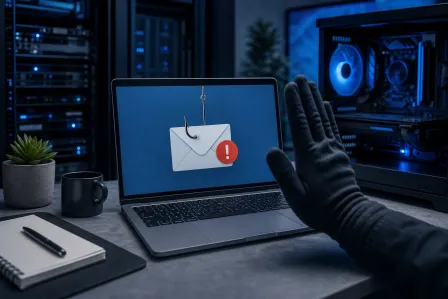
Be skeptical of unexpected emails, especially those containing attachments or links. Phishing attacks impersonate trusted entities to trick you into revealing information or downloading malware. If an email seems suspicious, verify its legitimacy through other channels before acting on it.
Download software only from trusted sources. Official websites and reputable app stores are far safer than random download sites. Free software from unknown sources often bundles malware or unwanted programs that compromise your security.
Use secure, private networks when accessing sensitive information. Public Wi-Fi networks at coffee shops, airports, or hotels are often insecure, potentially allowing attackers to intercept your communications. Using a VPN on public networks encrypts your connection, preventing this interception.
Be thoughtful about what you store on your computer. Information that does not exist on your computer cannot be stolen from it. Consider whether you really need to store highly sensitive documents digitally, or whether physical storage for certain items might be more appropriate.
Physical Security
Physical access to your computer can bypass many digital protections. Ensuring physical security is an important component of protecting your personal data.
Lock your computer when you step away, even briefly. A few seconds of unsupervised access is enough for someone to install malware or access sensitive information. Configuring automatic lock after a short idle period provides protection even if you forget to lock manually.
For laptops, physical security cables can prevent opportunistic theft in public places. While a determined thief can defeat these, they prevent casual grab-and-run theft.
At home, consider where you store your computer when you are away for extended periods. Visible electronics near windows advertise their presence to potential thieves. Simple measures like closing blinds or storing laptops out of sight reduce risk.
Dispose of old computers properly. Simply deleting files does not remove them securely. Old computers should have their drives thoroughly wiped or physically destroyed before disposal to prevent data recovery.
How to Protect Your Personal Data
Step 1: Enable Full Disk Encryption
On Windows, search for "BitLocker" and enable it for your main drive. On Mac, go to System Preferences > Security & Privacy > FileVault and turn it on. This ensures your data is unreadable if your computer is stolen.
Step 2: Set Up a Password Manager
Download a reputable password manager like Bitwarden, 1Password, or LastPass. Create a strong master password and begin storing your login credentials securely.
Step 3: Enable Two-Factor Authentication
Start with your email and banking accounts. Go to account security settings and enable 2FA, preferably using an authenticator app rather than SMS.
Step 4: Configure Automatic Updates
On Windows, go to Settings > Update & Security and enable automatic updates. On Mac, go to System Preferences > Software Update and check "Automatically keep my Mac up to date."
Step 5: Implement the 3-2-1 Backup Strategy
Set up automatic backup to an external drive and a cloud backup service. Verify backups monthly by attempting to restore a test file.
Frequently Asked Questions
How do I know if my computer has been hacked?
Signs of compromise include unexpected slowdowns, unusual pop-ups, programs you did not install, changed passwords, and unfamiliar activity in your accounts. If you notice these signs, disconnect from the internet and seek professional help immediately.
Is Windows Defender enough protection?
For most home users who practice safe computing habits, Windows Defender provides adequate baseline protection. However, users who frequently download software, visit less reputable websites, or handle sensitive data may benefit from additional security layers.
How often should I change my passwords?
Current security guidance recommends changing passwords primarily when a breach is suspected or announced. Using unique, strong passwords for each account with a password manager is more important than frequent changes.
What should I do if I click a suspicious link?
Immediately disconnect from the internet, run a full antivirus scan, change passwords for sensitive accounts from a different device, and monitor your accounts for unusual activity. Consider professional malware removal if you notice any symptoms.
Can my data be recovered if my hard drive fails?
Professional data recovery services can often recover data from failed drives, but success is not guaranteed and costs can be significant. Regular backups are the only reliable protection against data loss.
Concerned About Your Computer Security?
Our security experts can assess your current protection, remove existing threats, and help you implement comprehensive security measures.
Get a Security AssessmentFor expert computer security services in West Palm Beach and throughout Palm Beach County including Jupiter, Palm Beach Gardens, and Wellington, contact Fix My PC Store. We specialize in virus and malware removal, security assessments, and helping you protect your personal data from modern threats.