Laptop Hinge Repair: Stop Screen Damage Before It Spreads
Listen to this article
TL;DR: laptop hinge repair is one of those “tiny” issues that speedruns into a wallet-melting disaster: cracked bezels, ripped lid mounts, pinched display cables, and sometimes a dead LCD. If your lid feels loose, stiff, crunchy, or misaligned, pause the grind and address it now before it turns into a full-on boss fight.
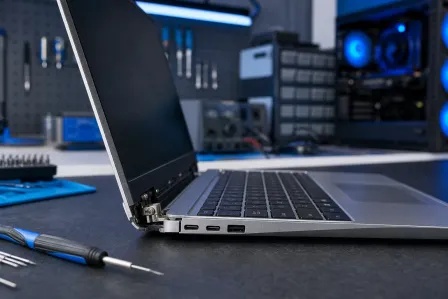
Alright squad, Hardware Hank here. You know how a PC build can be perfect, then one loose screw turns into a rattle that drives you insane? Laptop hinges are that, except the stakes are way higher. A broken laptop hinge doesn’t just feel annoying. It can literally tear the laptop apart from the inside: bezel cracking, plastic mounts exploding, hinge brackets ripping out, and the display cable getting chewed up like it’s in a blender. GG.
This guide is your evergreen playbook for spotting early hinge warning signs, doing safe at-home checks, avoiding the classic DIY traps, and understanding what a proper repair involves. And if you’re in Palm Beach County (West Palm Beach, Palm Beach Gardens, Lake Worth Beach, Boynton Beach, Jupiter, and nearby), Fix My PC Store is the clutch stop for getting it fixed before the damage spreads.
Why laptop hinge repair matters (and why it gets expensive fast)
Let’s talk mechanics, because this is where the magic happens. Laptop hinges are torque devices. They’re designed to hold the display at an angle and resist wobble. When something goes wrong, that torque doesn’t disappear. It transfers into the weakest parts of the chassis.
Common chain reaction: loose hinge to cracked screen bezel
Here’s the usual progression I see:
- Lid starts wobbling or feels uneven.
- The hinge screws loosen or the hinge mounts start to crack.
- Laptop screen bezel cracking appears near the corners or hinge side.
- The lid starts twisting when you open it, stressing the LCD panel.
- The display cable gets pinched or stretched, causing flicker, lines, or black screen.
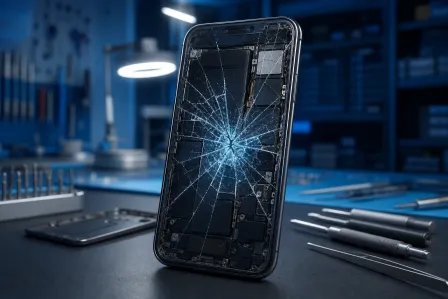
That is the difference between “it opens kinda weird” and “why does my screen look like a spiderweb and my webcam cable is dangling.”
Seized hinges are the silent killer
A hinge can also go the other way: laptop hinge stiffness. If the hinge gets too tight (dried lubricant, internal wear, or bent hinge barrel), the force needed to open the lid skyrockets. The laptop doesn’t magically get stronger to compensate. Instead, the lid mounts rip out of the top cover or palmrest. That’s when you start seeing the plastic separating and the bezel popping up. Not poggers.
Early warning signs of a broken laptop hinge (spot it before it snowballs)
If you catch hinge issues early, you can often prevent the expensive stuff: LCD replacement, top cover replacement, or a full laptop case repair rebuild.
Symptoms you should never ignore
- Crunching, clicking, or popping when opening or closing the lid.
- Lid opens unevenly (one corner lifts first).
- Bezel lifting near the hinges or corners.
- Visible gap between screen bezel and back cover.
- Hinge area flex in the palmrest or top cover.
- Screen flicker, random blackouts, or lines when moving the lid (possible cable stress).
On the screen flicker side, it’s worth ruling out software issues too. Microsoft has a solid checklist for display flicker troubleshooting here: Microsoft Support: troubleshoot screen flickering in Windows. If flicker happens only when moving the lid, that screams hinge or cable routing, not drivers.
Quick reality check: wobble is not “normal”
A little movement on ultra-thin laptops can be normal. But if the hinge feels like a loose controller stick, that’s your sign to act. A clean laptop lid loose fix early can prevent mount failure later.
Safe at-home checks (no hero moves, no extra damage)
I love DIY. I live for tuning and tweaking. But hinge problems are one of those areas where “one more twist” can turn a small repair into a full chassis rebuild. So here’s the safe stuff you can do without sending it into the shadow realm.
1) Do the slow open test
Place the laptop on a flat surface. Open the lid slowly with one hand centered near the webcam area. Watch for:
- Corner lift or twisting
- Bezel separation
- Hinge side creaking
If it twists, stop. Continuing to force it is how mounts shear off.
2) Check for bezel pressure points
Lightly press along the bezel near the hinges. If it clicks down then pops back up, the clips may be broken or the hinge mount is pushing outward.
3) Inspect screw covers and hinge area gaps
If you see missing screw covers, uneven gaps, or plastic whitening (stress marks) near the hinge, that’s structural strain. That’s your “repair me now” indicator.
4) Listen for cable symptoms while moving the lid
If the screen cuts out, flickers, or the backlight changes when you move the lid, you might be flirting with screen cable damage. That cable runs through the hinge path on many laptops, so hinge misalignment can pinch it.
DIY mistakes that make hinge damage worse (avoid these traps)
Okay, this is the part where I save your laptop from a self-inflicted crit hit.
Over-tightening hinge screws
If the mounts are cracked, tightening screws harder doesn’t “secure” anything. It just strips plastic, breaks brass inserts, or cracks the case further. If the hinge mount is failing, the correct fix is laptop hinge mount repair or replacing the damaged cover piece, not Hulk-mode tightening.
Using super glue on structural mounts
Super glue is brittle. Hinges need strength and flex resistance. A glued mount often fails again, sometimes worse, and can make proper repair harder. Professional repairs typically use the correct parts and reinforcement methods designed for chassis stress.
Forcing a stiff hinge “until it loosens up”
If a hinge is seized, forcing it is how you crack bezels and rip mounts. The hinge should be serviced or replaced. Think of it like a fan bearing: when it’s grinding, you don’t just crank the RPM and hope it heals.
Ignoring the problem because it still works
This is the classic. The laptop still boots, so you keep using it. Meanwhile, every open and close is doing structural damage. Then one day: bezel splits, cable tears, LCD goes black. That’s a sudden jump from a hinge job to a screen job.
What a proper laptop hinge repair involves (parts, labor, and alignment)
When Fix My PC Store tackles a hinge issue, the goal is not just “make it open again.” The goal is restore structural integrity and protect the screen and cables long-term.
Step 1: Full hinge and mount diagnosis
We check:
- Hinge stiffness and symmetry (left vs right torque)
- Hinge brackets and screws
- Damage to lid mounts and palmrest mounts
- Bezel clips and top cover integrity
- Display cable routing and strain relief
Step 2: Laptop case repair where it actually matters
Many hinge failures are really laptop case repair jobs because the hinge itself is fine, but the mounting points are toast. Depending on the model, that can mean replacing:
- Top cover (lid back cover)
- Palmrest or bottom chassis section
- Bezel (front frame)
Sometimes it’s a combo. The key is using the right replacement part so the hinge has something solid to anchor into again.
Step 3: Laptop screen alignment and bezel fit
After structural repair, we make sure the display sits square and closes evenly. Proper laptop screen alignment prevents new stress points that can crack the bezel later.
Step 4: Protecting against screen cable damage
If the cable has been stressed, we inspect for kinks, pinch marks, or intermittent behavior. A damaged cable can cause flicker, artifacts, or full display loss. Catching it early can prevent an LCD replacement.
If you’re also dealing with other issues (random shutdowns, keyboard problems, liquid damage, or performance drops), that’s where a broader laptop repair service evaluation makes sense. Hinges rarely fail in a vacuum, especially after drops or heavy daily travel.
When to replace laptop hinges vs repair mounts (the smart call)
Let’s answer the big question: when to replace laptop hinges?
Replace the hinges when:
- The hinge is seized or extremely stiff even after inspection
- The hinge barrel is bent or grinding
- The hinge has uneven resistance left vs right
- The hinge screws no longer hold due to hinge bracket damage
Repair mounts or replace covers when:
- The hinge moves normally but the mount points are cracked
- The bezel is popping due to chassis separation
- The lid twists because the cover structure is broken
Replace the laptop (rare, but sometimes real) when:
- Multiple structural parts are broken and parts availability is poor
- The LCD is damaged and the chassis is cracked in multiple places
- Total repair cost approaches the value of the system
And hey, no shame. Budget builds and budget laptops deserve respect. The goal is always maximum value and maximum uptime. Sometimes the most cracked move is repairing it. Sometimes it’s migrating your data and moving on.
Hinge problems can lead to data loss (yep, really)
You might be thinking, “Hank, how does a hinge kill my files?” Easy: if the laptop takes a fall because the lid won’t close properly, or if the chassis flex causes board stress, you can end up with drive issues. Plus, if you keep using a laptop with display cable damage, you might not notice other warning signs because the screen is unreliable.
If your laptop is acting weird and you’re worried about your files, check out professional data recovery options before repeated power cycles and “hope it boots” attempts make things worse.
Palm Beach County laptop hinge repair: why local matters
Shipping a hinge-damaged laptop is risky. Flex and pressure during transit can turn “repairable” into “cracked LCD.” Going local means faster turnaround, safer handling, and someone can actually show you what’s broken and why.
Fix My PC Store helps gamers, students, and business users across Palm Beach County, including West Palm Beach, Palm Beach Gardens, Lake Worth Beach, Boynton Beach, Jupiter, Royal Palm Beach, and Wellington. If it’s a hinge, bezel, lid mount, or screen cable situation, we can diagnose it and give you the cleanest path forward.
Bonus: keep your laptop healthy while you’re here
Hinge damage is physical, but a lot of laptops also get slowed down by software junk and malware. If your machine is running like it’s stuck at 15 FPS in a 240 Hz world, you might need a cleanup too. Malwarebytes has great general education resources here: Malwarebytes Blog.
And if you want a full system check, performance tune, or general fix, that’s what our computer repair services are for. If you suspect infections or popups, our virus removal service can help get things back to butter-smooth.
Quick checklist: what to do right now if your laptop lid is loose
- Stop forcing it open or closed.
- Open from the center to reduce twist.
- Back up your data if you see screen flicker or random cutouts.
- Don’t glue mounts or over-tighten screws.
- Get a diagnosis before bezel cracks spread or the cable tears.
Need Expert Computer Support?
Get professional help from Palm Beach County's trusted computer repair specialists.
Get Help Today