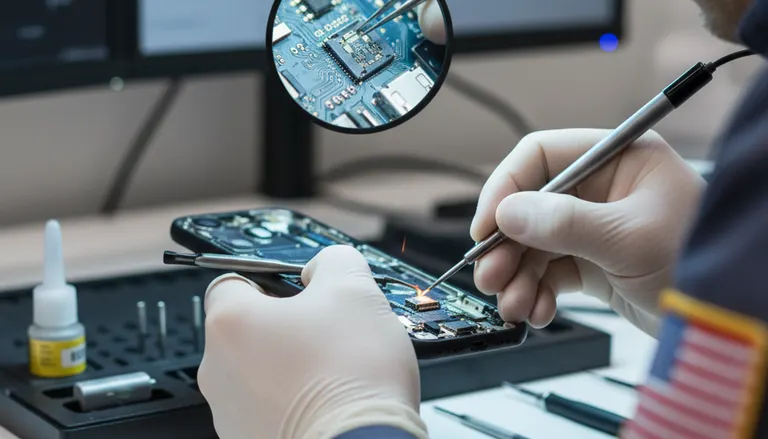
iPhone USB-C Port Repair in 2026: Fix Charging Drops & Sync Fails
Listen to this article
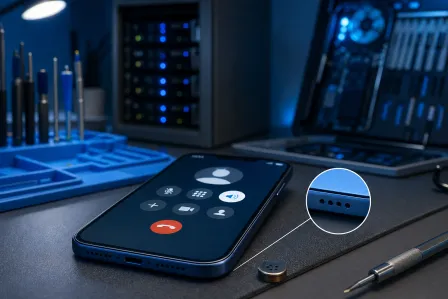
In 2026, I see this all the time: USB-C iPhones that charge only at an angle, disconnect the second you bump the cable, or suddenly decide CarPlay is optional. If you’re here because your phone does the classic “charging drops when moved” routine, welcome. Your iPhone is not haunted. It’s usually a worn or dirty port.
This guide is all about iphone usb-c port repair realities: what you can safely check at home, what’s a red flag, and when you should stop buying new cables like it’s a hobby and just get the port serviced. (Also, look, I’m not judging your 8-hour screen time report. Okay, maybe a little.)
If you’re in Palm Beach County, I’ll also point you to the right repair options for same-day charging port replacement so you can get back to doomscrolling responsibly.
Why USB-C iPhone Ports Are Wearing Out Faster in 2026
USB-C is a great connector. Reversible, common, and it can handle charging and data. But here’s the not-so-glamorous truth: USB-C ports take more daily abuse than most people realize. In 2026, that abuse is worse because:
More accessories, more plug cycles
USB-C has a huge accessory ecosystem now: car cables, docks, external storage, controllers, audio adapters, and “mystery chargers” borrowed from coworkers. More plug-unplug cycles means more wear on the port’s internal contact points.
Heavier cables and side-load pressure
Some USB-C cables are thick and stiff. Combine that with charging while using your phone in bed (we both know you do), and you get sideways pressure on the connector. Over time, that can loosen the port or damage internal pins.
Pocket lint compaction is basically modern sand
Lint doesn’t just sit in the port. It compresses. Every time you plug in, the connector packs lint tighter against the back wall. Eventually your cable won’t seat fully, which causes intermittent charging and data dropouts.
Suggested supporting image placement: Place usb-c-port-lint-removal-iphone-cleaning.jpg right after this section to visually explain lint compaction and safe cleaning tools.
Common Symptoms That Point to iPhone USB-C Port Wear
Let me save you a headache: most “my iPhone not charging consistently” complaints fall into a few predictable patterns.
1) Charging drops when moved
If your phone charges, then stops when you pick it up, rotate it, or breathe near it, that’s usually one of these:
- Lint preventing full insertion (connector is barely making contact)
- Worn port contacts (metal surfaces have degraded)
- Loose port assembly (physical play in the connector)
- Damaged cable end (yes, sometimes it’s the cable, but not always)
2) “Charges only at an angle”
This is the classic. You prop the phone on a pillow like it’s recovering from surgery and it charges fine. That’s not a life hack. That’s a symptom. Usually: compacted lint, bent pins, or worn retention inside the port.
3) iPhone data sync fails (but charging kinda works)
Charging uses power pins. Data uses additional contacts. So you can end up in the annoying middle ground where your phone charges slowly, but your computer can’t see it, CarPlay disconnects, or file transfers fail.
4) “iPhone accessory not supported” messages
This warning can pop up when the phone detects an unstable connection, contamination, corrosion, or an accessory that doesn’t properly communicate. Sometimes it’s the accessory. Sometimes it’s your port saying, “Help.”
USB-C Port Cleaning vs Replacement: What You Can Safely Do at Home
I love a good DIY win. I also love when people don’t turn a small issue into a “why is my port missing?” situation. Here’s the safe line between usb-c port cleaning vs replacement.
At-home checks (safe and worth doing)
- Try a known-good cable and charger from a reputable brand. If possible, test with another device too.
- Check for wobble: gently insert the cable and see if it feels loose. Don’t force it. You’re testing, not arm-wrestling.
- Look inside the port with a light: you’re looking for lint, debris, or discoloration.
How to clean pocket lint safely (the “don’t be that person” edition)
If you see lint:
- Power the iPhone off. Basic, but important.
- Use a non-metal tool like a wooden toothpick or plastic pick. No paperclips. No needles. No “but I was careful.”
- Gently scrape along the inside edges and bottom. The goal is to lift lint out, not stab the connector.
- Use compressed air in short bursts to blow loosened debris out.
Stop immediately if you feel resistance that seems like you’re catching on internal parts. That’s how pins get bent.
What not to do (myth-busting time)
- Do not pour alcohol into the port. A tiny amount on a swab used carefully by a pro is one thing. Pouring it in is another.
- Do not “jam it in harder”. That’s not troubleshooting. That’s escalation.
- Do not use a metal tool. Bent pins and scratched contacts lead to real repair bills.
Bent USB-C Pins Symptoms (and Why They’re a Big Deal)
USB-C ports have a tight tolerance. If internal pins or the center tongue are damaged, the connection gets unreliable fast.
Signs you might have bent or damaged pins
- Charging works only when the cable is flipped or angled (even though USB-C is reversible)
- Data transfer fails consistently while charging still works
- CarPlay disconnects on bumps or turns
- Cable feels “crunchy” or catches when inserting
- Visible misalignment inside the port when you shine a light in
If you suspect pin damage, skip the DIY cleaning marathon. This is where iphone usb-c port repair becomes the smart, money-saving move.
Liquid Corrosion in the Charging Port: The Sneaky Cause of Random Disconnects
I’ve rescued phones from toilet bowls, rainstorms, and one memorable washing machine incident. The tricky part is liquid corrosion charging port damage doesn’t always show up immediately. You might get a week of “it’s fine” and then: charging drops, accessory errors, or data sync fails.
Corrosion clues
- Greenish/whitish residue inside the port
- A “hot electronics” smell near the bottom of the phone
- Charging that starts and stops rapidly
- Accessory not supported errors with multiple known-good cables
Suggested supporting image placement: Place usb-c-port-corrosion-liquid-damage-iphone.jpg after this section to show what corrosion typically looks like under magnification.
Why corrosion is urgent
Corrosion increases resistance. Resistance creates heat. Heat stresses the battery and charging circuitry. Translation: ignoring a corroded port can turn a simple port service into a bigger repair.
When Your iPhone Data Sync Fails: Rule Out the Computer Side Too
Sometimes the port is the villain. Sometimes your computer is just being… a computer. If your iPhone data sync fails, try these quick checks:
On a Windows 10 or Windows 11 PC
- Try a different USB port on the PC (front ports and hubs can be flaky).
- Restart the PC and the iPhone (the repair equivalent of “turn it off and on again” and it actually works).
- Check Windows USB troubleshooting steps from Microsoft Support: troubleshoot USB problems in Windows 11.
On a Mac
- Try a different cable and a different USB-C port (or adapter) if available.
- If Finder/iTunes (depending on your macOS setup) doesn’t see the iPhone at all, that’s a strong hint the data pins are not making contact.
When it’s almost definitely the iPhone port
- Your iPhone fails to sync on multiple computers with multiple known-good cables
- Charging is also intermittent
- CarPlay drops when you touch the cable
DIY Test: Is It the Cable, the Charger, or the Port?
Before you book a repair, do this simple isolation test. It takes 10 minutes and can save you from buying your fifth “brand new” cable.
The 3-step isolation test
- Test Cable A with Charger A in the wall. Wiggle gently at the connector. Note any drops.
- Test Cable B with Charger A. Same wiggle test.
- Test Cable A with Charger B (different brick or different power source).
If the issue follows one cable, congrats, you found the culprit. If the issue happens with multiple cables and chargers, your port is the common denominator.
Palm Beach County iPhone Repair: When to Stop Troubleshooting and Get a Pro
If you’re in West Palm Beach or anywhere in Palm Beach County, here are the “come see us” signs I trust after fixing more ports than I can count (and yes, my retro flip phone collection is judging all of us for needing this much charging).
Red flags that point to port replacement or microsolder-level repair
- Charging drops when moved even after careful lint removal
- Visible damage inside the port (bent tongue/pins)
- Liquid exposure at any point, even “just a little splash”
- Accessory not supported errors across multiple accessories
- CarPlay disconnects repeatedly with known-good cables
What same-day charging port replacement typically solves
- Intermittent charging and “angle charging”
- Loose connector fit
- Unreliable data transfer
- Random CarPlay disconnects caused by poor contact
At Fix My PC Store, we handle iPhone repair for charging port and USB-C connection issues and can help you figure out whether you need a deep clean, a port replacement, or additional diagnostics.
And since life is never simple: if you’re also dealing with a tablet that won’t charge (or a kid’s iPad that has survived things it shouldn’t), we do iPad charging and port repair too. Team Android? I’ll fix you up as well with Samsung phone and tablet repair. Android vs iOS? I’ll fix ’em both. We can debate later.
How to Prevent USB-C Port Wear (Without Living in a Bubble)
You don’t need a lab environment. You just need a few habits that reduce stress on the port.
Use strain relief like you actually like your phone
- Avoid sharp bends at the connector.
- Don’t let the phone dangle from the cable.
- If you use CarPlay daily, consider a high-quality cable and don’t leave it under tension.
Keep the port clean (light maintenance beats emergency cleaning)
Every couple of weeks, do a quick visual check with a flashlight. If you see lint starting, remove it gently before it compacts into a felt brick.
Yes, I’m going to say it: use a case
Occasionally I sigh about people not using phone cases because I see the results. A decent case can reduce port impact damage when the phone gets dropped while plugged in. And it will get dropped. Gravity is undefeated.
Quick Reference: At-Home Fix or iPhone USB-C Port Repair?
Usually at-home
- Lint visible and removable without force
- Problem occurs only with one cable
- No liquid exposure
Usually professional repair
- Charging drops when moved with multiple cables
- Data sync fails across multiple computers
- Bent USB-C pins symptoms
- Liquid corrosion charging port signs
If you want Apple’s official baseline tips for charging issues, see Apple Support guidance on what to do if your iPhone or iPad won't charge. If you’ve already tried the basics and you’re still stuck, that’s your cue to stop wrestling the cable and get the port checked.
Need Expert Mobile Device Repair?
Get professional iPhone, iPad, and Samsung repair from Palm Beach County's trusted mobile device specialists.
Get Device Help