iOS 19 Repair Mode: What It Means for iPhone Screen Repairs (2026)
Listen to this article
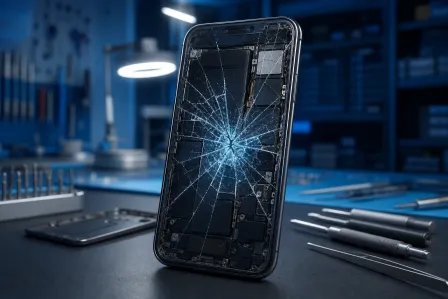
Let me guess. Your iPhone took a swan dive off the counter, the screen looks like a spiderweb, and now you want it fixed fast. Fair. But in 2026, an iPhone screen replacement is not just “pop the glass on and call it a day.” With iOS 19 Repair Mode and Apple’s expanded diagnostics, the software side matters almost as much as the screws and adhesive. Ignore that part, and you get the modern classic: a “working” screen that still throws warnings, has weird brightness, or loses features like True Tone.
I’ve seen this exact problem three times a week. Somebody gets a screen swapped somewhere, then strolls in saying, “It turns on, but it feels… off.” Yep. That’s what happens when you treat a modern iPhone like it’s a VCR from back in my day. (And yes, I still remember how to set the clock. Most of you never did.)
This post explains what customers in Palm Beach County should expect during a proper screen repair now, what iOS 19 Repair Mode is meant to do, what warnings you might see, and how a professional shop validates the repair so you don’t come back two days later mad at your phone and your wallet.
What is iOS 19 Repair Mode (and why you should care)?
Apple has been steadily moving iPhone repairs toward a process where the hardware swap is only step one. The rest is verification, calibration, and logging the repair so the phone is satisfied that the part is legitimate and installed correctly.
Repair Mode in iOS is essentially Apple acknowledging reality: phones get repaired. When it’s implemented well, it helps a technician run the right checks after a repair and reduces the odds you leave with half your features missing. When it’s implemented poorly (or the repair shop skips steps), you get annoying messages and features that do not behave right.
What Repair Mode changes for screen repairs
- More required software checks after a display swap.
- More visibility into whether a display is recognized, paired, or flagged.
- More emphasis on calibration for display behavior (brightness, color, True Tone support when applicable).
- More post-repair testing expectations, especially around sensors tied to the display area.
Look, I’m not going to sugarcoat this: if you want a screen repair that behaves like factory, you need a shop that treats software steps as part of the job, not an optional side quest.
iPhone screen replacement in 2026: hardware is the easy part
Back in my day, you swapped a part and the device either worked or it didn’t. Now, you swap a part and the device works… but nags you like a microwave that beeps until you open the door.
A modern iPhone screen replacement involves:
- Proper disassembly (without tearing cables or damaging seals)
- Transferring or protecting components that live near the display area
- Installing the display correctly (alignment and adhesive matter)
- Running Apple-aware diagnostics and post-repair tests
What NOT to do (because people keep doing it)
- Don’t buy the cheapest screen you can find online and expect it to look and behave like the original.
- Don’t let someone rush the job and skip testing because “it lights up.”
- Don’t assume every warning message means the phone is “broken.” Some are informational, some matter, and some are just Apple being Apple.
If you’re in West Palm Beach or nearby and you want this handled properly, start with a shop that does iPhone repair and screen replacement service as a real process, not a gamble.
iPhone parts pairing and why warnings can appear after a display swap
Here’s the part that makes people grumpy: Apple devices can identify certain components. Depending on the model and the part, iOS may display a notification if it can’t verify the part as genuine or properly configured. That’s often what folks mean when they say “parts pairing.”
Now, before the comment section lights up: yes, a phone can function with a replaced screen and still show a message. But the difference between “it works” and “it works correctly” is where the good repair shops earn their keep.
Common post-repair messages (and what they usually mean)
- Display message/notification: iOS may indicate it can’t verify the display. This can happen with non-genuine parts, incompatible parts, or missing configuration steps.
- Feature behavior changes: Auto-brightness, color accuracy, and True Tone behavior may be affected depending on the screen and configuration.
Don’t panic if you see a warning. Do get it evaluated if the display looks wrong, touch feels off, or brightness is acting like it has a mind of its own (because that’s when it becomes your problem, not Apple’s).
iPhone display calibration: brightness, color, and True Tone restore
People love to say, “I don’t care about fancy features.” Then they come back two hours later because the screen is too blue, too dim, or burns their retinas at night. That’s display calibration in the real world.
iPhone display calibration after repair is about making the screen behave normally:
- Brightness consistency
- Color tone and white point behavior
- Auto-brightness response
- True Tone behavior (when supported and when the repair path allows it)
About True Tone after a screen repair
True Tone relies on sensors and calibration data to adjust the display based on ambient light. After a screen repair, True Tone may work normally, may require proper configuration, or may not be available depending on the part quality and how the repair is performed.
Here’s what actually happens when you ignore this: you get a phone that technically works, but your eyes hate it. Like watching an old CRT with the tint knob set wrong. (Some of you are too young to know that pain. Be grateful.)
Face ID after screen repair: what’s safe, what’s risky
Let’s be clear: Face ID after screen repair is one of the most misunderstood topics I hear across the counter. A screen replacement does not automatically “break Face ID.” But careless work around the front sensor area absolutely can.
What can affect Face ID during a screen repair
- Damage to the front sensor flex cables during disassembly
- Improper seating or alignment during reassembly
- Contamination (dust, fingerprints) in the wrong place
- Using incorrect or poorly fitting parts that interfere with sensors
If a shop tells you “Face ID always stops working after a screen repair,” that’s not a law of physics. That’s a skill issue.
Apple diagnostics and post-repair testing: the boring stuff that saves you money
You know what customers rarely ask for? Testing. You know what customers always regret skipping? Testing.
With modern iPhones and iOS repair tooling, a proper repair includes post-repair testing so you don’t discover problems later when you’re trying to pay for groceries, unlock your phone in the sun, or type a text that turns into a keyboard slap-fight.
What a professional shop should verify after a screen replacement
- Touch accuracy across the entire screen (edges included)
- Display uniformity (no weird bright spots or dark patches)
- Brightness and auto-brightness behavior
- True Tone behavior when supported
- Front camera and sensors (including Face ID function where applicable)
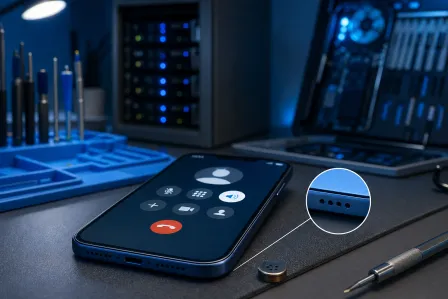
- Speaker/earpiece function (because it’s right there)
- Proximity sensor (so your cheek doesn’t start dialing people)
Apple’s own support resources are a decent starting point for understanding service expectations and device behavior. If you want the official rabbit hole, start at Apple Support. And yes, I know that’s not thrilling reading. Neither is a second repair bill.
What Palm Beach County customers should expect during a modern iPhone screen repair
If you’re in Palm Beach County, here’s the plain-English version of what a good repair experience looks like:
- You get a quick intake: what happened, what isn’t working, and whether there are other symptoms.
- You get told upfront about risks and limitations (especially around warnings and feature behavior).
- The shop replaces the screen with a quality part and uses a careful process.
- The shop performs software checks and post-repair testing before handing it back.
- You get a working phone that doesn’t surprise you later.
Service areas we commonly see for iPhone screen repairs
We help customers all over Palm Beach County, including West Palm Beach, Palm Beach Gardens, Lake Worth Beach, Royal Palm Beach, Wellington, Greenacres, Riviera Beach, and Boynton Beach. People drive in from all over when they’re tired of half-fixes.
And if you’re the “I also dropped my iPad last week” type (I see you), we do that too: iPad repair service. If you’re carrying a Samsung, we’re not allergic to those either: Samsung phone and tablet repair. Start here if you’re not sure what you need: smart device repair.
Common post-repair problems (and how to avoid them)
This is the part where I save you from yourself. You’re welcome.
Problem: Screen looks “washed out” or “too warm”
Usually cause: low-quality display, incorrect calibration behavior, or settings changed during troubleshooting.
What to do: Have the shop verify display quality and run their full test routine. Also check Display settings, Night Shift, and accessibility filters before you assume the screen is defective.
Problem: Touch is glitchy near the edges
Usually cause: poor digitizer quality, frame alignment issues, or pressure points from installation.
What to do: Don’t live with it. Edge touch problems get worse when the phone heats up or after minor drops.
Problem: Face ID fails after repair
Usually cause: damage or misalignment in the front sensor area, or contamination.
What to do: Bring it back immediately. The longer you wait, the harder it is to prove what changed and when.
Problem: Random warnings about parts
Usually cause: iOS is reporting it cannot verify a component.
What to do: Ask the shop to explain what the warning means on your specific device and what your options are. If the answer is a shrug, that tells you what you need to know.
Quick reality check: you don’t need “premium ultra mega” anything
I’m going to say something unpopular: you don’t need the newest thing. You need the thing that works. A good screen repair is a boring, repeatable process done by someone who cares about the details and tests the result.
Also, since people love mixing phone problems with computer problems: if your Windows PC is acting up after you “optimized” it with some miracle tool, go read actual guidance from Microsoft Support instead of trusting a random forum post from 2011. Same principle. Boring but works.
Bottom line: iOS 19 Repair Mode makes the software steps non-optional
iOS 19 Repair Mode is part of the bigger trend: modern repairs are validated and judged by software behavior, not just whether the screen turns on. A good shop will handle the hardware, handle the verification and calibration steps they can, and confirm everything works before you leave the parking lot.
If you want an iPhone screen repair in Palm Beach County that’s done like it should be done, pick the boring professionals who test everything and explain what you’re seeing. The cheap shortcut is only cheap until you pay twice.
Need Expert Mobile Device Repair?
Get professional iPhone, iPad, and Samsung repair from Palm Beach County's trusted mobile device specialists.
Get Device Help