How Small Businesses Get Hacked & Prevent It
Listen to this article
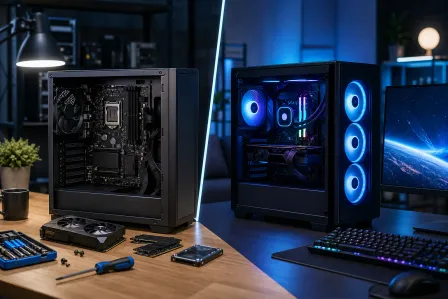
When your computer develops problems, the repair-versus-replace decision can be surprisingly difficult. Emotional attachment to a familiar system, uncertainty about repair costs, and the prospect of setting up a new computer all complicate the calculation. Yet making the right choice matters both financially and practically. Sometimes repair provides excellent value; other times replacement is clearly better. Understanding the factors that influence this decision helps you choose wisely.
This decision involves both economics and practicality. The pure financial calculation compares repair cost to replacement cost, but practical factors like your satisfaction with the current computer, the remaining useful life after repair, and the disruption of transition all play roles. According to EPA guidelines on electronics, extending computer life through repair also provides environmental benefits by reducing electronic waste.
The Financial Calculation
Start with the numbers. Understanding the financial aspects provides a foundation for your decision, even if other factors ultimately influence your choice.
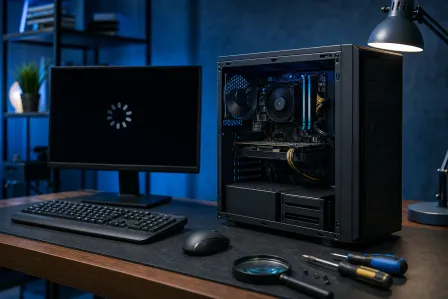
Repair cost is usually straightforward to determine. A reputable technician can diagnose the problem and provide a repair estimate before you commit. This estimate should include parts and labor and ideally any additional problems discovered during diagnosis.
Computer value is harder to assess. Unlike cars with established blue book values, used computers have widely varying values depending on specifications, condition, and age. Research what similar computers sell for used, or consider what you would pay to replace the computer's capabilities.
A common guideline suggests repair makes sense when the cost is less than fifty percent of replacement value. This rule of thumb provides reasonable guidance for many situations. A two-hundred-dollar repair on a computer that would cost eight hundred dollars to replace is likely worthwhile. A three-hundred-dollar repair on a five-hundred-dollar computer warrants more consideration.
Remaining useful life after repair affects the value of that investment. A repair that keeps a computer running for another three to four years provides more value than the same repair on a computer likely to develop other problems soon. Our technicians can advise on the overall condition and likely longevity of your system.
Age and Obsolescence Factors
Computer age affects the repair decision beyond simple economics. Older computers face challenges newer ones do not.
Software support ends eventually. Microsoft ended Windows 7 support in 2020 and Windows 10 support ends in 2025. Computers that cannot run supported operating systems become security risks. If your computer cannot upgrade to a supported OS, replacement becomes necessary regardless of hardware condition.
Parts availability decreases for older systems. Eventually, replacement parts become difficult to find or unreasonably expensive. Repairs that would be economical on newer systems become impractical when parts are scarce.
Performance gaps widen over time. A five-year-old computer that felt adequate may now struggle with current software, websites, and content. Even with repair, the underlying performance limitations remain.
Security features in newer systems may be absent in older ones. Hardware security features like TPM chips, which Windows 11 requires, may not exist in older computers. These features provide protection that software alone cannot replicate.
Problem Types and Their Implications
The nature of the problem affects whether repair makes sense. Some problems are straightforward to fix; others suggest deeper issues.
Storage failures are often excellent repair candidates. A failed hard drive in an otherwise healthy computer can be replaced with an SSD for cost-effective repair that also improves performance. Our SSD upgrade service often transforms older computers into responsive systems.
Screen damage on laptops is usually worth repairing on newer models. Screen replacement costs can be significant but remain far less than replacement for recent devices. For very old laptops, screen repair may not be economical.
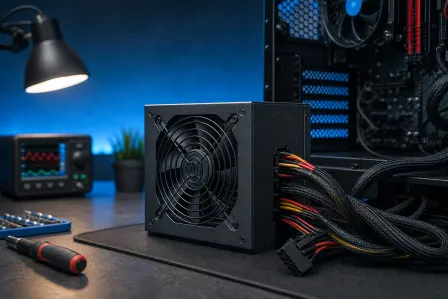
Power issues require diagnosis to assess. Failed power supplies in desktops are straightforward repairs. Failed charging circuits in laptops can range from simple port replacement to complex board repair.
Multiple simultaneous problems suggest systemic issues. When several components fail together, especially after years of use, more failures may follow soon. Repairing one problem when others are developing may not provide good value.
Logic board or motherboard failure is often the tipping point toward replacement. These repairs tend to be expensive, and success is not always guaranteed. For older computers, motherboard repair costs often approach or exceed replacement value.
When Repair Usually Makes Sense
Certain situations favor repair over replacement:
Recent computers with single, well-defined problems are excellent repair candidates. A two-year-old laptop with a cracked screen is almost certainly worth repairing.
Computers that still meet your needs comfortably deserve consideration for repair. If your current system does everything you need well, paying for repair may be preferable to adapting to a new system.
Specialized software or configurations that would be difficult to reproduce favor repair. The time and effort to reconfigure a new system has real value even if hard to quantify.
Situations where data recovery is needed regardless. If you need data recovery services from a failed system, you are already paying for professional service. Repair may be more economical than recovery plus replacement.
When Replacement Usually Makes Sense
Other situations favor replacement:
Computers more than seven to eight years old often cost more to repair than their functional value. Technology has advanced enough that replacement provides significantly better capability.
Systems that have already had multiple repairs may be showing their age. Each repair addresses one component, but overall system age means other components may fail soon.
Computers that no longer meet your needs even when working well should probably be replaced regardless of repair status. If you have outgrown your current system, repair just delays the inevitable.
When repair costs approach sixty to seventy percent of replacement cost for an older system. At this point, the additional cost for new often provides better long-term value.
The Middle Path: Strategic Upgrades
Sometimes neither full repair nor replacement is the best choice. Strategic upgrades can extend useful life at modest cost.
SSD installation in a computer with a traditional hard drive often provides the most dramatic improvement. Boot times drop from minutes to seconds, applications open faster, and the system feels new. Combined with a fresh operating system installation, this upgrade can extend useful life by years for computers otherwise adequate.
RAM upgrades help computers that frequently run low on memory. Adding RAM is inexpensive compared to replacement and can resolve slowdowns for systems that are otherwise capable.
These upgrades cost significantly less than replacement while providing meaningful improvements. They make the most sense for computers that are three to five years old, still meet core needs, and have one or two specific limitations.
Frequently Asked Questions
How long should a computer last?
With proper care and maintenance, five to eight years is typical for quality systems. Business laptops under heavy use may last three to five years. SSDs, adequate RAM, and regular maintenance extend useful life.
When is repair not worth it?
When repair costs exceed fifty percent of replacement cost for older systems, when multiple components are failing, when the computer no longer receives security updates, or when it no longer meets your needs even when working.
Can old computers be upgraded?
Often yes, and upgrades can provide excellent value. SSD and RAM upgrades can significantly extend useful life for computers that still meet core needs but feel slow.
Should I repair a ten-year-old computer?
Usually not for major repairs. Security update support has likely ended, performance gaps are significant, and replacement typically provides better value. Minor repairs might be worthwhile, but major repairs rarely make sense.
Not Sure Whether to Repair or Replace?
We provide honest assessments. Bring your computer in for diagnosis and we'll give you straightforward advice about repair versus replacement.
Get an Honest AssessmentFor honest computer repair advice in West Palm Beach and throughout Palm Beach County including Boca Raton, Delray Beach, and Wellington, Fix My PC Store provides expert diagnosis and straightforward recommendations. We offer repair services, maintenance, and upgrade options to help you get the most from your technology investment.