¿Con qué frecuencia debe una pequeña empresa reemplazar sus computadoras?
Resumen rápido: No existe una edad universal de reemplazo. Revisa soporte, rendimiento, costo de reparación, tiempo inactivo y función; planifica antes de fallas críticas cuando sea posible.
Lo que necesitas
Antes de comenzar a auditar tu inventario de equipos, reúne lo siguiente:
- Una lista de cada computadora en tu empresa con su fecha de compra (revisa las facturas o consulta la fecha de fabricación en el BIOS o en la herramienta de Información del sistema)
- Especificaciones actuales: RAM, generación del CPU, tipo de almacenamiento (SSD o HDD de disco giratorio) y versión del sistema operativo
- Historial de reparaciones y costos de cada equipo durante los últimos 12 meses
- Un estimado aproximado de cuánto le cuesta a tu empresa una hora de tiempo de inactividad
- Tu pila de software actual, especialmente cualquier programa que haya publicado requisitos mínimos del sistema
No necesitas una hoja de cálculo con 40 columnas. Un inventario sencillo es un buen inicio; añade garantía, fechas de soporte, respaldos y aplicaciones críticas cuando corresponda.
Paso 1: Establece motivos para revisar cada equipo
Fija una frecuencia de revisión, no una fecha automática de retiro. Soporte del proveedor, carga de trabajo y estado importan más que un rango universal de tres a cinco años.
Así puedes pensarlo según el rol:
Estaciones de oficina general: Verifica si el software compatible funciona bien y si cambios de almacenamiento, memoria o red resolverían el problema. Documenta precios de reparar y reemplazar.
Usuarios intensivos: Compara rendimiento medido con los requisitos reales de aplicaciones de diseño, contabilidad u otras. Mejora el equipo cuando ya no cubra esas necesidades económicamente.
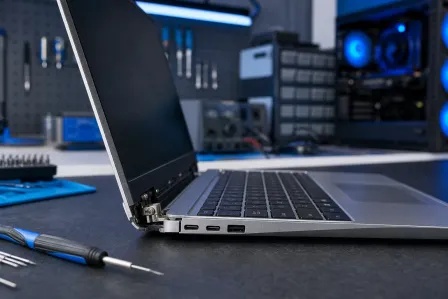
Laptops: Revisa batería, condición física, garantía, piezas y soporte de seguridad. Viajes y uso diario pueden afectar su estado, pero no imponen un año fijo.
Servidores y hardware de red: Es una conversación completamente diferente. Visita nuestra página de servicios de TI empresarial si eso es lo que te preocupa.
Revisa los dispositivos periódicamente y después de fallas importantes o cambios de soporte.

Paso 2: Evalúa cada equipo según las cuatro señales de alerta
La edad sola no basta. Evalúa estas cuatro preguntas según el papel del equipo y el plan de respaldo o reemplazo temporal.
Señal de alerta 1: No puede ejecutar tu software principal correctamente
Si cuesta ejecutar software crítico, mide la causa y compara mejorar, reparar o reemplazar. Revisa los requisitos mínimos y recomendados de cada aplicación crítica que usa tu equipo. Estar bajo las especificaciones recomendadas puede alertarte; prueba el trabajo real antes de atribuir un costo.
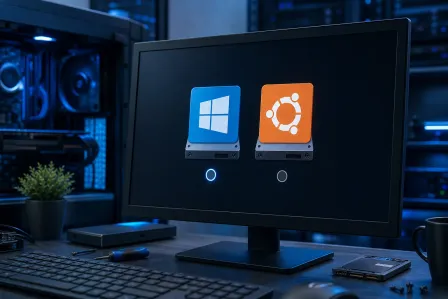
También verifica la compatibilidad con la versión de Windows. El soporte estándar de Windows 10 terminó el 14 de octubre de 2025. Verifica elegibilidad para Windows 11, incluidos TPM 2.0 y otros requisitos. ESU elegible puede ofrecer una vía temporal de actualizaciones de seguridad.
Señal de alerta 2: Los costos de reparación se están acumulando
Registra tipo, costo y recurrencia de reparaciones. Una falla cara o varias menores pueden cambiar la decisión de forma distinta.
Compara una cotización escrita con un reemplazo adecuado, incluyendo configuración, software, traslado de datos, garantía y tiempo medido sin servicio. No existe una regla fija del 30 al 40 por ciento.
¿Necesitas una segunda opinión sobre si vale la pena hacer una reparación? Puedes contactarnos aquí y te diremos la verdad sin rodeos.
Señal de alerta 3: La lentitud está destruyendo la productividad
Sé que las computadoras lentas parecen un problema menor, pero no lo son. Mide la frecuencia del retraso y multiplica por horas reales. Por ejemplo, cuatro minutos en cada una de 2,000 horas de trabajo serían unas 133 horas anuales, no ocho. Diagnostica antes de atribuir toda la demora al equipo.
Antes de descartar un equipo lento, asegúrate de que el problema sea realmente la antigüedad del hardware y no un problema de software o almacenamiento que se pueda resolver. Una evaluación de reparación de computadoras puede revisar software, almacenamiento, memoria y otras fallas. La edad del procesador sola no determina si cumple el trabajo.
Señal de alerta 4: El equipo crea brechas de seguridad
Esta es MUY importante en un contexto empresarial. Hardware que no puede ejecutar un sistema operativo actual, que carece de funciones de seguridad modernas como chips TPM o soporte para arranque seguro, o que es demasiado antiguo para manejar la carga de un software adecuado de protección de endpoints. Estos no son riesgos teóricos. Un dispositivo comprometido puede afectar otros sistemas, sobre todo si los accesos y la segmentación son débiles.
Si no estás seguro de si tu inventario actual cumple con los estándares básicos de seguridad, nuestro equipo de TI administrada hace exactamente este tipo de auditoría para empresas del sur de Florida.
¿Cansado de que la TI falle en el peor momento? Habla con nuestro equipo de TI empresarial
Paso 3: Construye un calendario de renovación escalonado
Reemplazar todo de una vez puede presionar presupuesto y agenda. Un plan por fases reparte trabajo, aunque coordinar el cambio puede convenir ante fechas de fin de soporte o cambios comunes de plataforma.
Si conviene escalonar, prioriza soporte, función, estado y costo; elige una proporción anual acorde con flota y presupuesto. Así es como se construye ese calendario.
- Toma tu lista evaluada del Paso 2 y ordena los equipos por urgencia.
- Identifica equipos sin soporte o con fallas y planifica los primeros reemplazos por riesgo empresarial.
- Programa equipos compatibles y sanos para revisión posterior, no por edad solamente.
- Revisa los equipos restantes contra los mismos criterios al menos cada año.
- Repite el ciclo. Cada año reemplazas una porción de la flota en lugar de toda.
Escalonar puede repartir compras e instalación; reserva margen para fallas imprevistas.
Combinar esto con un plan adecuado de respaldo y recuperación ante desastres puede reducir pérdida de datos y tiempo de recuperación según las pruebas de respaldo y restauración.
Paso 4: Decide entre comprar nuevo, arrendar o comprar reacondicionado
Una vez que sabes qué necesita reemplazarse, tienes tres opciones realistas.
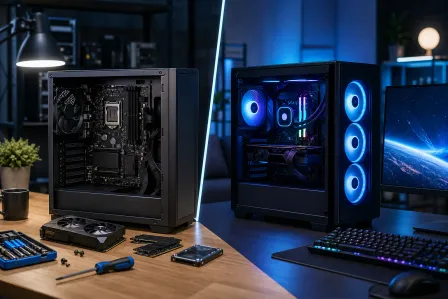
Comprar nuevo puede ofrecer hardware actual y garantía del fabricante. Compara cobertura real, soporte, configuración y costo total; la vida útil no está garantizada.
Arrendar distribuye el costo en el tiempo y algunas empresas lo prefieren por razones de flujo de caja. La desventaja es que no eres dueño del hardware al final del contrato y los acuerdos de arrendamiento pueden complicarse. Lee bien los términos.
Reacondicionado certificado de proveedores reconocidos (como Dell Refurbished, Lenovo Certified o Apple Certified Refurbished) puede ser genuinamente sólido para estaciones de trabajo de uso ligero. Edad, condición, garantía y precio varían. Un equipo reacondicionado puede servir en cualquier puesto si sus especificaciones, soporte y servicio cubren la carga.
Sin importar lo que compres, prioriza SSD sobre HDD, suficiente RAM para tu pila de software (elige RAM según aplicaciones y multitarea) y un CPU de generación actual que cumpla con los requisitos de hardware de Windows 11.
También asegúrate de que los equipos nuevos se configuren correctamente desde el primer día: licencias de software correctas, configuración de Microsoft 365, acceso a la red y ajustes de seguridad. Un equipo conectado a la red apresuradamente sin la configuración adecuada crea problemas rápidamente.
Errores comunes
Esperar hasta que el equipo falle por completo. Una falla puede traer inactividad y costos imprevistos. Respaldos, equipos de reserva y soporte pueden reducir el impacto. Planifica los reemplazos antes de que te los impongan.
Ampliar la RAM y considerar el problema resuelto. Una mejora de RAM puede ayudar si faltaba memoria, pero no promete una extensión fija de servicio. No hace nada por un cuello de botella en el CPU, una unidad de almacenamiento fallando o un equipo que no puede ejecutar un sistema operativo compatible. Identifica el cuello de botella real antes de gastar dinero en una solución parcial.
Ignorar el calendario de fin de vida útil del sistema operativo. Revisa la información actual del fabricante; las fechas y opciones de actualización extendida varían. Si tu planificación de reemplazos no tiene en cuenta estas fechas, eventualmente te encontrarás ejecutando software sin soporte en equipos que no pueden actualizarse. La ciberseguridad empresarial comienza con software compatible.
Tratar todas las computadoras igual. Un ciclo de renovación diseñado para tus usuarios más ligeros dejará a tus usuarios intensivos con hardware insuficiente. Un ciclo diseñado para las cargas de trabajo más pesadas desperdiciará dinero reemplazando equipos que todavía tienen años de vida útil. Segmenta tu flota por rol.
Sin seguimiento de activos. Si no sabes cuándo se compró un equipo, estás adivinando el momento del reemplazo. Lleva un registro sencillo: fecha de compra, especificaciones, historial de reparaciones. Eso es todo lo que necesitas.
Conclusión
Para una pequeña empresa, fija revisiones periódicas y reemplaza según soporte, rendimiento, riesgo, economía de reparación y función. El objetivo no es exprimir cada último mes de cada equipo. Es nunca dejar que el hardware obsoleto se convierta en un lastre para la productividad de tu equipo o en una brecha en tu postura de seguridad.
Construye un calendario de renovación escalonado, conoce tus señales de alerta y deja de tratar el reemplazo de computadoras como una compra de emergencia. Es un gasto empresarial predecible. Planifícalo como tal.
Si quieres que alguien audite tu inventario actual y te diga exactamente en qué situación estás, nuestro equipo de TI administrada trabaja con pequeñas empresas en toda el área de Palm Beach y Treasure Coast. O si tienes un equipo que quizás solo necesite una reparación antes de reemplazarlo, agenda un diagnóstico rápido y te daremos una respuesta honesta.
¿Cansado de que la TI falle en el peor momento?
Gestionamos TI, respaldos y seguridad para empresas del sur de Florida para que puedas dejar de preocuparte por eso.
Habla con nuestro equipo de TI empresarial
Preguntas frecuentes
¿Con qué frecuencia debe una pequeña empresa reemplazar sus computadoras?
No existe un año universal. Revisa cada equipo al menos anualmente y planifica según soporte, rendimiento, historial de reparaciones, garantía e impacto. El detonante real debe basarse en señales de alerta como la incapacidad de ejecutar software compatible, la acumulación de costos de reparación y las brechas de seguridad, no solo en la antigüedad del equipo.
¿Es mejor reparar o reemplazar una computadora empresarial que está envejeciendo?
Una reparación concreta puede valer la pena a cualquier edad si el equipo sigue compatible y cumple su función. Compara totales escritos de reparación y reemplazo, incluyendo instalación e inactividad; no uses un porcentaje fijo.
¿Qué ocurre si una empresa sigue usando computadoras con un sistema operativo sin soporte?
Un sistema sin soporte puede dejar de recibir correcciones habituales. Revisa producto exacto y programas de actualización extendida elegibles; planifica una ruta compatible. En un entorno empresarial, un solo equipo comprometido puede exponer toda tu red, los datos de tus clientes y tus finanzas. Es una responsabilidad seria, no una simple inconveniencia.
¿Debe una pequeña empresa comprar, arrendar o adquirir computadoras reacondicionadas?
Comprar nuevo, arrendar y reacondicionar tienen diferentes precios, garantías, soporte y efectos de caja. Los equipos reacondicionados certificados de proveedores reconocidos son una opción legítima para roles de uso ligero, como recepción o estaciones de trabajo secundarias. El arrendamiento puede ayudar al flujo de caja, pero implica concesiones en cuanto a propiedad y términos del contrato que vale la pena leer con atención.
¿Qué es un ciclo de renovación escalonado de computadoras y por qué es importante?
Una renovación escalonada cambia equipos priorizados por fases; el porcentaje anual depende del estado, presupuesto y fechas de soporte. Puede repartir compras e instalación dejando margen para fallas urgentes.
¿Cómo sé si una computadora empresarial lenta necesita reemplazarse o solo una optimización?
Comienza por identificar el cuello de botella real. Un equipo con disco duro giratorio que por lo demás está en buen estado puede sentirse dramáticamente más rápido después de instalar un SSD. Si un equipo no ejecuta el software compatible necesario, compara mejoras posibles con reemplazo; confirma el cuello de botella antes de decidir.
El diagnóstico de computadora cuesta $60 y se acredita a su reparación. Los clientes nuevos pueden obtenerlo gratis con nuestro cupón por correo electrónico (formulario en inglés).