Why Your Computer Is Slow: What a Professional Tune-Up Fixes
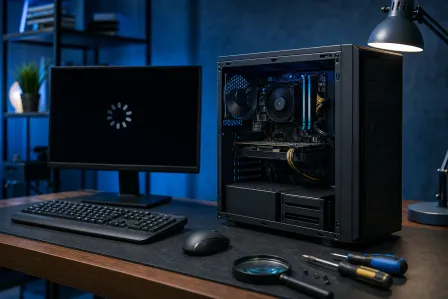
Your computer has been getting slower. Boot times have increased, applications take longer to open, and that spinning wheel appears more often than it used to. This gradual performance decline is one of the most common frustrations computer owners experience. The good news is that in most cases, a professional computer tune-up can restore your system to near-original performance levels without the expense of buying a new computer.
Understanding what a computer tune-up actually involves helps you appreciate its value and recognize when your system needs attention. Unlike a simple virus scan or quick cleanup, a comprehensive tune-up addresses multiple layers of your computer's operation, from software optimization to physical maintenance. According to Microsoft's official guidance, regular maintenance is essential for maintaining optimal computer performance.
What Causes Computers to Slow Down
Computers accumulate digital debris over time, much like a house accumulates dust. Every day of use adds temporary files, browser data, log files, and other digital leftovers that consume storage space and can slow performance. Programs installed and later forgotten continue running background processes. Software updates sometimes leave behind obsolete files. The cumulative effect of months or years of normal use can significantly impact performance.
Beyond software accumulation, physical factors contribute to slowdowns. Dust builds up on cooling components, reducing their effectiveness and causing the processor to throttle its speed to prevent overheating. Hard drives develop fragmentation that slows file access. Fans wear out or become clogged, leading to thermal management problems.
Malware often operates invisibly, consuming resources for malicious purposes while you experience unexplained slowness. Even well-maintained systems can pick up unwanted software that drains performance. A thorough tune-up identifies and removes these hidden threats.
The Software Cleanup Process
A professional tune-up begins with comprehensive software cleanup. This involves far more than running a simple disk cleanup utility, though that is part of the process.
Temporary file removal clears out the accumulated debris from months of computing. Browser caches, Windows temp folders, installation leftover files, and error logs all get cleaned. On systems that have never been cleaned, this alone can free gigabytes of space and noticeably improve performance.
Startup program analysis examines everything that loads when your computer boots. Many programs add themselves to startup without asking, slowing boot times and consuming resources throughout the day. A tune-up identifies which startup items are necessary and which can safely be disabled, dramatically reducing boot time in many cases.
Unused program identification helps declutter your system. Software installed years ago for a single purpose, trial programs never used, and bundled applications you never wanted all consume space and potentially run background processes. Identifying and removing these frees resources for programs you actually use.
Registry optimization on Windows systems cleans up orphaned entries left by uninstalled programs and system changes. While registry cleaning should be approached carefully, removing genuinely invalid entries can improve system stability.
Security Assessment and Malware Removal
Every computer tune-up should include a thorough security check. Malware is a common cause of performance problems, and even well-protected systems sometimes become infected. If you're experiencing signs of infection, our virus removal service can help restore your system.
Deep malware scanning goes beyond what regular antivirus might catch. Professional technicians use multiple scanning engines and specialized tools to detect threats that might evade standard protection. Rootkits, potentially unwanted programs, and sophisticated malware all get identified and removed.
Security software verification ensures your protective software is properly installed, configured, and updated. Sometimes antivirus software becomes corrupted or stops updating without the user noticing, leaving the system vulnerable while appearing protected.
Browser security includes checking for malicious extensions, unwanted toolbars, and hijacked settings that can compromise both security and performance. Browsers are common malware targets, and cleaning them is an important part of system maintenance.
Driver and System Updates
Outdated drivers can cause performance problems, compatibility issues, and even system crashes. A tune-up includes reviewing and updating critical system drivers.
Graphics drivers in particular affect performance for many tasks beyond gaming. Outdated graphics drivers can cause display issues, video playback problems, and general system sluggishness. Updating to current drivers often improves performance noticeably.
Windows Update or macOS updates ensure the operating system has all current security patches and performance improvements. Sometimes pending updates accumulate, consuming resources while waiting to install. A tune-up ensures updates are current and properly applied.
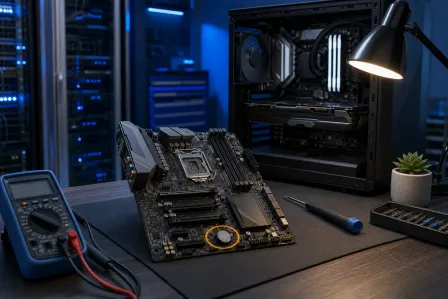
Firmware updates for hardware components may be checked as well. BIOS updates, SSD firmware, and other low-level updates can improve stability and performance, though these are applied carefully given their critical nature.
Physical Maintenance
Software optimization can only accomplish so much if physical issues are limiting performance. Internal cleaning is an essential part of comprehensive computer maintenance.
Dust removal from cooling systems restores proper airflow and heat dissipation. Accumulated dust on fans, heatsinks, and vents acts as insulation, trapping heat and forcing cooling systems to work harder. In severe cases, overheating triggers thermal throttling where the processor deliberately runs slower to prevent damage. Cleaning the cooling system allows components to run at their designed speeds.
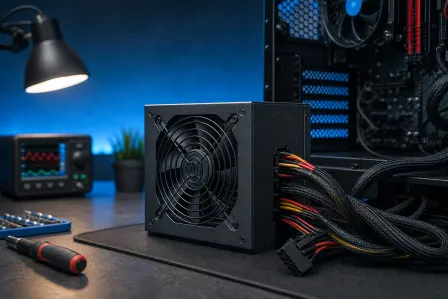
Fan inspection verifies that all cooling fans operate properly. Fans with failing bearings may run inconsistently or make noise, indicating impending failure. Catching these problems early allows replacement before complete failure causes overheating damage.
Thermal paste evaluation checks the thermal interface material between processors and heatsinks. Over years, this paste can dry out and lose effectiveness, reducing cooling efficiency. Reapplication of fresh thermal paste can significantly improve cooling performance on older systems.
How to Maintain Your Computer Between Tune-Ups
While professional tune-ups provide deep cleaning and optimization, you can maintain performance between services with regular maintenance habits.
Step 1: Run Disk Cleanup Monthly
On Windows, search for "Disk Cleanup" and run it on your main drive. Select temporary files, system cache, and recycle bin contents for removal. On Mac, use the Optimize Storage feature in About This Mac.
Step 2: Restart Your Computer Weekly
Restarting clears temporary memory, applies pending updates, and resets processes that may have developed issues. Many people leave computers running for weeks, which allows small problems to accumulate.
Step 3: Review Installed Programs Quarterly
Open your programs list and look for applications you no longer use. Uninstalling these frees space and removes background processes you don't need.
Step 4: Keep Software Updated
Enable automatic updates for your operating system and applications. Updates often include performance improvements alongside security patches.
Step 5: Monitor Storage Space
Keep at least 15-20% of your drive free for optimal performance. If space is consistently low, consider which large files can be archived or deleted, or discuss storage upgrades with a technician.
Frequently Asked Questions About Computer Tune-Ups
How often should I get my computer professionally tuned up?
For typical home use, annual professional tune-ups provide good ongoing maintenance. Business computers or heavily-used systems benefit from service every six months. Between professional tune-ups, basic maintenance like disk cleanup and restart habits help maintain performance.
What's the difference between a tune-up and virus removal?
Virus removal specifically targets malware infections, while a tune-up is comprehensive maintenance that includes malware scanning as one component alongside performance optimization, cleanup, updates, and physical maintenance. If you have an active infection, virus removal takes priority.
Can a tune-up make an old computer fast again?
A tune-up can restore an older computer to its best possible performance, often making a significant difference. However, it cannot make old hardware perform like new hardware. If your computer was slow when new or has genuinely outdated components, a tune-up improves things but has limits.
How long does a professional tune-up take?
Thorough tune-ups typically take 2-4 hours depending on the system's condition. Systems with extensive problems, malware infections, or years of accumulated issues take longer. Quick "tune-ups" that take only minutes are not providing comprehensive service.
Should I back up before a tune-up?
Having a current backup is always wise, though professional tune-ups are safe and don't typically affect your personal files. We recommend regular backups as a general practice, not just before service.
Is Your Computer Running Slower Than It Should?
Our comprehensive tune-up service restores performance, removes threats, and extends the life of your computer. Serving all of Palm Beach County.
Schedule Your Tune-UpFor professional computer tune-up services in West Palm Beach and throughout Palm Beach County including Boca Raton, Delray Beach, and Lake Worth, Fix My PC Store delivers comprehensive maintenance that keeps your system running optimally. We also provide virus removal, hardware upgrades, and data recovery services.